
Blandfordia nobilis
Blandfordia nobilis
Description
Growing requirements
Blandfordia nobilis, commonly known as the Christmas bell, is a perennial herbaceous species belonging to the family Blandfordiaceae. It is native to the coastal regions of New South Wales, Australia, where it thrives in specialized heathland environments.
This crop requires highly specific soil conditions, characterized by excellent drainage and low fertility. In a cultivation setting, a mix of sand, peat, and grit is essential to simulate its natural habitat and prevent root saturation.
The plant is adapted to a climate with mild temperatures and high atmospheric humidity. It is sensitive to frost and does not tolerate long periods of drought, requiring a consistent moisture supply during its active growth phases.
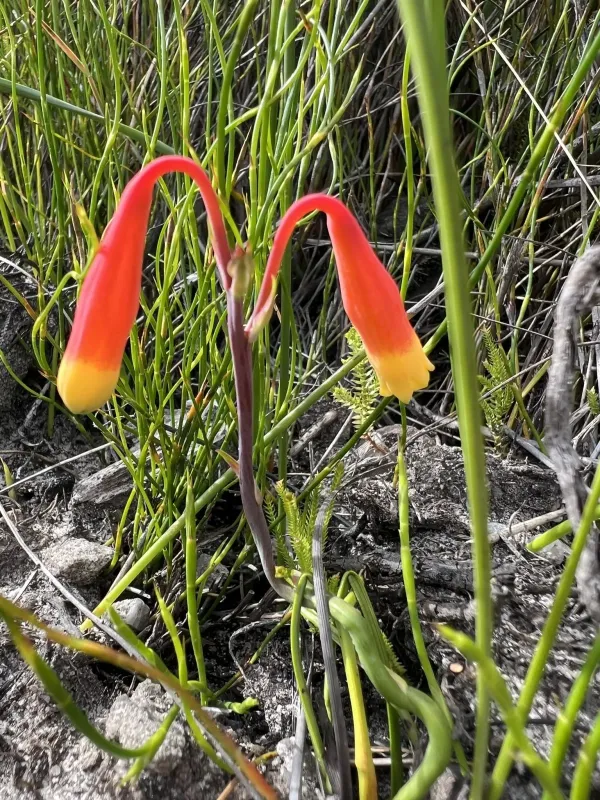
Botanically, the plant features narrow, grass-like foliage emerging from an underground rhizome. The inflorescence consists of distinct, tubular, bell-shaped flowers that hang downwards, displaying vibrant shades of red and yellow.
The commercial potential of this plant lies in its use as a high-end cut flower. Its striking appearance and long vase life make it a valuable asset for florists looking for unique, exotic additions to premium floral arrangements.
Main diseases and pests
Root rot, primarily caused by Phytophthora species, is the most significant threat to Blandfordia production. Excess moisture combined with stagnant air creates an environment conducive to this destructive fungus.
Powdery mildew can infect the foliage during periods of high humidity and poor ventilation. Providing adequate spacing between plants and maintaining a clean growing area are the best preventative measures against this disease.
Insect pests such as spider mites and thrips can cause significant damage by feeding on the leaves and developing buds. Integrated pest management strategies are recommended to keep populations below economic injury levels.
Nutrient toxicity is a common issue for this species. Because it evolved in nutrient-poor soils, applying high-concentration fertilizers can cause leaf tip burn and long-term decline in plant vigor.
Competing weeds can quickly overwhelm young plants, restricting airflow and light penetration. Implementing a rigorous weeding program is essential for maintaining the health and yield potential of the crop throughout its life cycle.