
Scorzonera
Scorzonera hispanica L.
Description
Sowing dates
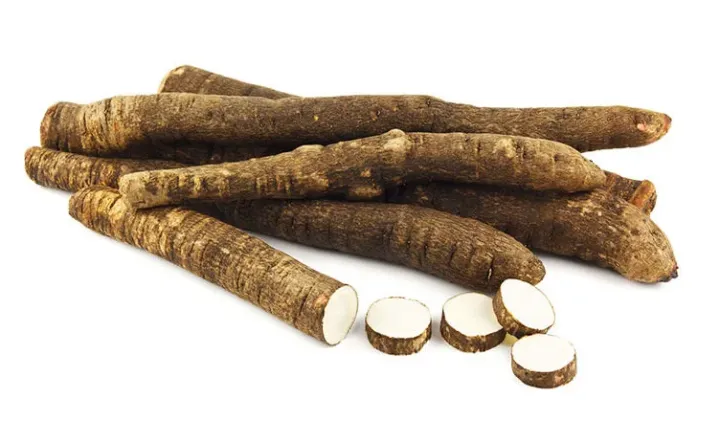
Scorzonera (Scorzonera hispanica L.), commonly known as black salsify, is a perennial plant of the Asteraceae family cultivated as an annual or biennial vegetable. Sowing is typically carried out in early spring, as soon as the soil is workable.
Autumn sowing is also an option in milder climates, allowing for an earlier harvest the following season. The seeds require a period of cool, moist soil to germinate effectively if sown late in the season.
Seeds should be sown in rows spaced 30 to 45 centimeters apart to ensure adequate room for growth. A sowing depth of 2 to 3 centimeters is ideal for achieving a strong and reliable germination rate.
After the seedlings develop two true leaves, they should be thinned to a distance of 10 to 15 centimeters. Proper spacing is essential for the development of long, straight roots without significant branching.
Early stage development of scorzonera is relatively slow, so keeping the seedbed free from weeds is crucial. Mulching can help suppress weed growth and maintain the necessary soil moisture levels.
Growing requirements
Scorzonera requires deep, loose, and fertile soil to reach its full potential. Sandy loam is preferred, as it allows the long, tap-like roots to penetrate deeply without encountering resistance or obstructions.
The plant thrives in full sun, which is necessary for healthy leaf development and root accumulation. Shade-grown scorzonera often develops weak foliage and poor-quality roots that lack the characteristic sweetness.
Consistent moisture is key to the success of this crop. While scorzonera is somewhat drought-tolerant, irregular watering during the summer months can lead to woody, bitter, or cracked roots.
It is important to avoid fresh organic manure, as it encourages root branching and results in an unattractive product. Well-rotted compost applied months before planting is the best soil amendment.
Soil pH should ideally be neutral. If the soil is too acidic, applying lime is recommended, as this helps optimize nutrient uptake and prevents stunted root development in the crop.
Yield
The average yield of scorzonera ranges from 1.5 to 3 kilograms per square meter, depending on soil quality and growing conditions. Intensive care during the season significantly improves root size.
The growing season spans approximately 100 to 120 days. During this time, the plant focuses its energy on developing the main taproot, which is rich in inulin, making it a valuable vegetable for diabetic diets.
Regular cultivation of the inter-row space helps improve soil aeration and prevents crusting. This leads to a healthier root system and ultimately a more substantial harvest of high-quality vegetables.
Quality seeds and appropriate site selection play a major role in achieving the maximum yield. It is recommended to use fresh seeds as they lose viability relatively quickly after two years.
Once harvested, black salsify has an impressive shelf life. When stored in sand at near-freezing temperatures, the roots remain crisp and flavorful for several months throughout the winter period.
Main diseases and pests
Powdery mildew is the most common fungal issue for scorzonera, appearing as a white dusty coating on the leaves. Managing humidity and using sulfur-based fungicides can control its spread.
Aphids can become a nuisance during hot, dry spells. Regular inspection of the undersides of the leaves and the use of insecticidal soap can manage these pests effectively without damaging the roots.
Soil-dwelling pests like wireworms or white grubs can cause severe damage to the roots. Proper crop rotation is the best preventive strategy to minimize the risk of soil-borne pest infestations.
White mold can occur if the soil is too wet or if there is poor drainage in the garden plot. Ensuring the soil is well-drained and not overly crowded helps mitigate the risk of rot.
Nematodes are another concern that can lead to root deformation. If the soil is known to be infested, planting cover crops like marigolds can help suppress their population before planting.
Harvesting
Harvesting usually takes place in October, once the roots have reached full size. Black salsify is frost-hardy, meaning it can survive low temperatures and remain in the soil until needed for harvest.
Using a garden fork is essential when lifting the roots to avoid snapping the delicate tips. Carefully digging up the soil allows the long roots to be extracted in their entirety without damage.
After lifting, the foliage is trimmed back to about 1 centimeter. Careful handling is required to keep the skin intact, as damage to the epidermis increases the risk of dehydration and infection.
For winter storage, keep the harvested roots in a cool, dark location. Storing them in damp sand prevents the roots from drying out, keeping them in an optimal state for culinary use.
Spring harvesting is an excellent option for those living in colder climates. The roots remain fresh in the ground throughout winter, providing a highly nutritious and early harvest in the new season.