
Bismarck palm
Bismarckia nobilis Hildebrandt & H. Wendl.
Description
Growing requirements
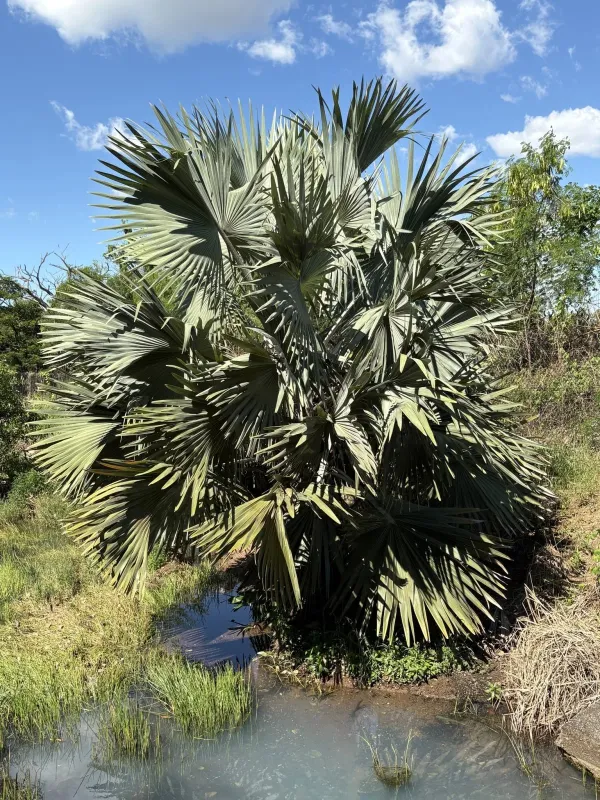
The Bismarck palm (Bismarckia nobilis) is a striking plant species belonging to the Arecaceae family. Native to the western and central parts of Madagascar, this solitary palm is highly valued for its massive size and distinctively silvery-blue fan-shaped fronds.
This species thrives in full sun exposure and requires significant open space to develop its canopy, which can grow quite wide. It is moderately cold-hardy, capable of surviving light frosts, but prefers tropical to subtropical climates to maintain optimal growth rates.
Well-drained soil is a fundamental requirement for this palm. While it can adapt to various soil types, including sandy and clay-heavy soils, proper drainage is crucial to prevent root rot, especially during periods of heavy rainfall or irrigation.
Agricultural management of the Bismarck palm includes deep watering during the dry season and periodic fertilization. Using slow-release fertilizers enriched with micronutrients helps prevent common mineral deficiencies that can affect leaf color and vigor.
The Bismarck palm is primarily used in landscape architecture as a dramatic specimen tree. Its architectural form makes it a focal point in large gardens, parklands, and commercial outdoor spaces, where it stands out against diverse landscaping backgrounds.
Main diseases and pests
One of the primary threats to the health of the Bismarck palm is fungal disease, often triggered by excessive humidity or poor soil drainage. Such conditions favor the growth of pathogens that cause stem and root decay.
Pests such as scale insects, mealybugs, and palm weevils pose a significant threat. These insects can quickly overwhelm the plant by feeding on its sap, leading to stunted growth and leaf chlorosis if left untreated.
Leaf spot diseases, caused by various fungal or bacterial agents, can appear in crowded or damp environments. Maintaining adequate spacing between trees is essential to ensure proper air circulation and reduce disease transmission.
Treatment involves the timely application of fungicides and horticultural oils. It is critical to inspect the base of the petioles and the underside of leaves periodically to catch infestations in their early stages.
Providing a balanced nutrient program not only fuels growth but also builds the plant's natural defenses. Proper sanitation, including the removal of dead fronds, minimizes the hiding spots for many common palm pests.