
Billardiera heterophylla
Billardiera heterophylla (Lindl.) L. W. Cayzer & Crisp
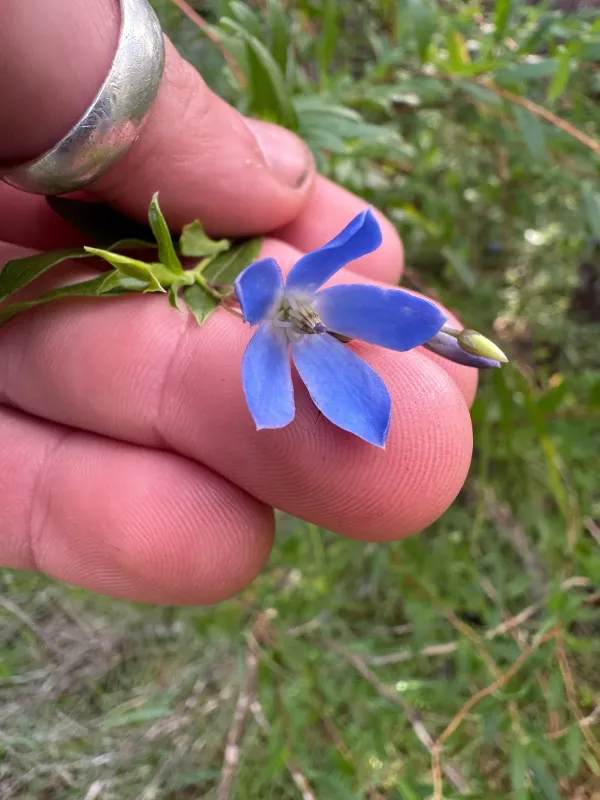
Description
Sowing dates
Propagating Billardiera heterophylla can be achieved through seeds or semi-hardwood cuttings. Seeds require a period of stratification to break dormancy, ensuring a more uniform germination rate.
Sow seeds in a well-draining, peat-based mix during the early spring months. Maintain consistent moisture and warmth, ideally around 20 degrees Celsius, to encourage healthy seedling development.
For cuttings, select healthy stems during the summer months. Dipping the ends in a rooting hormone can significantly enhance the success rate when planting into a moist sand-perlite medium.
Transplanting should occur once the seedlings are robust enough to handle the shift. It is essential to provide sturdy supports or trellises immediately to accommodate the natural climbing habit of the plant.
Ensure the planting site offers protection from strong, drying winds which can damage the delicate foliage and impair the growth of young vines.
Growing requirements
Billardiera heterophylla is a member of the Pittosporaceae family, originating from Western Australia. It thrives in temperate climates and prefers soil that is slightly acidic, rich in organic matter, and exceptionally well-drained.
The plant features distinct bell-shaped flowers that transition into attractive blue-purple berries. This makes it a popular choice for vertical gardening and ornamental displays in suitable climates.
Light requirements include full sun to partial shade. In warmer regions, filtered light is preferred during the afternoon to prevent the scorching of leaves, which can occur during heatwaves.
Irrigation must be consistent; however, the soil should be allowed to dry slightly between waterings to prevent root saturation. The use of rainwater is generally preferred over treated tap water.
Fertilization with a balanced, slow-release fertilizer is beneficial during the active growing season. Avoid heavy applications of nitrogen, as this promotes excessive foliage at the expense of floral display.
Main diseases and pests
Spider mites are common pests that thrive in dry conditions. Regular misting and maintaining appropriate humidity levels can help deter these insects from colonizing the vine.
Root rot is the most common disease encountered, typically resulting from poor soil drainage or excessive irrigation. Ensuring a porous growing medium is the primary defense against this issue.
Mealybugs may infest the stems and leaves, especially in protected environments like greenhouses. Manual removal or the use of horticultural oils can effectively manage localized outbreaks.
Leaf spot diseases may appear if there is poor air circulation. Pruning the plant annually helps improve ventilation and reduces the likelihood of fungal pathogens establishing themselves.
Monitoring the plant for signs of nutrient deficiency, such as yellowing leaves, is important. Soil testing can reveal if pH adjustments are needed to ensure the plant can absorb essential minerals.