
Berzelia lanuginosa
Berzelia lanuginosa Brongn.
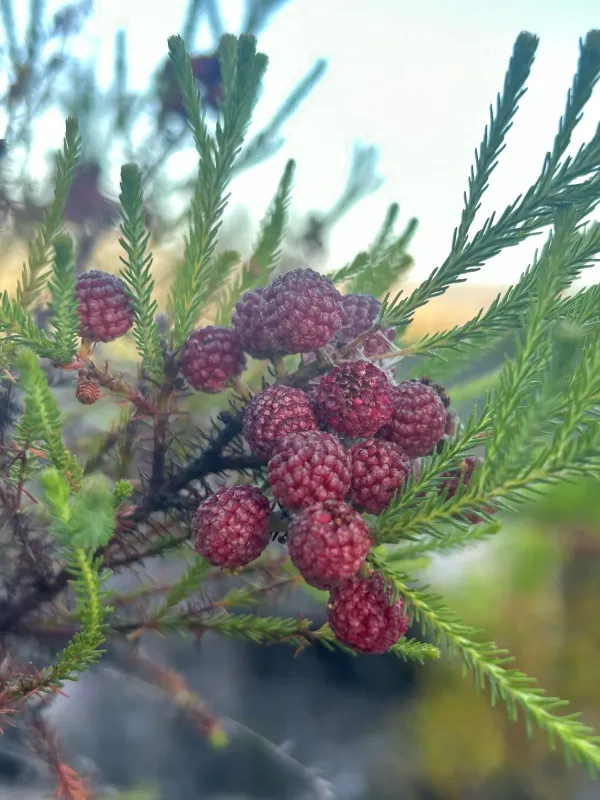
Description
Sowing dates
Propagating Berzelia lanuginosa is typically performed through seeds sown in early spring. The seeds require a well-draining, acidic, and sandy substrate to ensure successful germination and early development.
The germination process is notably slow and requires consistent temperatures between 18 and 22 degrees Celsius. Maintaining stable moisture without waterlogging is critical for the survival of the fragile seedlings.
Using shallow seed trays is recommended to prevent excessive moisture retention. It is important to cover seeds lightly with sand to protect them while allowing sufficient light penetration for the initial stages.
Once seedlings achieve two pairs of true leaves, they should be carefully transplanted into individual pots. Minimizing root disturbance is essential, as the species is particularly sensitive to being moved.
Gradual acclimatization to higher light levels and lower humidity helps harden the young plants before they are moved to their permanent greenhouse or outdoor locations.
Growing requirements
Belonging to the Bruniaceae family, this species thrives in climates that mirror its native South African habitat. It requires full sunlight to maintain its compact, attractive growth habit.
Soil requirements are strict: the plants prefer nutrient-poor, rocky, or sandy soils with a low pH. Any lime content in the soil or irrigation water can induce severe chlorosis and stunted growth.
Water management is the most challenging aspect of cultivation. The soil should be kept moderately moist during the growing season but must never be waterlogged, as root rot is a constant threat.
Temperature control is vital; the plant does not tolerate frost and should be kept in environments where temperatures stay above 5 degrees Celsius at all times during the colder months.
Good ventilation is essential in commercial greenhouses to mimic natural air movement, which prevents the build-up of stagnant humidity that can damage the plant's delicate foliage.
Main diseases and pests
Root rot is the most significant threat to Berzelia, caused primarily by poor soil drainage and excessive irrigation. Symptoms include yellowing leaves and sudden wilting of branches.
Spider mites and scale insects represent the most common pests, particularly when plants are grown in low-humidity indoor environments. Regular monitoring is essential to prevent infestations.
Fungal leaf spots can occur if foliage remains wet for extended periods. Pruning affected areas and ensuring adequate air circulation usually prevents the spread of these pathogens.
The use of heavy pesticides should be avoided if possible, as the plant can be sensitive to chemical sprays. Integrated pest management, focusing on biological controls, is highly recommended.
Early identification of signs of stress, such as discoloration of the woolly tips, allows for corrective action, such as adjusting water or checking for hidden pest colonies.
Harvesting
Harvesting is focused on the decorative flower heads. The ideal harvest time is when the heads are fully formed but before they lose their freshness, ensuring long-lasting quality for florists.
Clean, sharp tools are mandatory for harvest to avoid crushing stems or creating entry points for disease. Stems are cut at an angle to maximize water absorption once placed in buckets.
The stems are typically harvested in the cool of the morning. Once collected, they should be placed in clean water with a floral preservative to maintain turgor pressure for as long as possible.
For dry arrangements, Berzelia can be air-dried by hanging bundles upside down in a dark, dry, and airy location. This process locks in the structure of the buttons for decorative use.
Post-harvest care involves a light pruning of the remaining plant to encourage bushier growth in the next cycle, along with a controlled application of fertilizer to support recovery.