
Bellidiastrum michelii
Bellidiastrum michelii
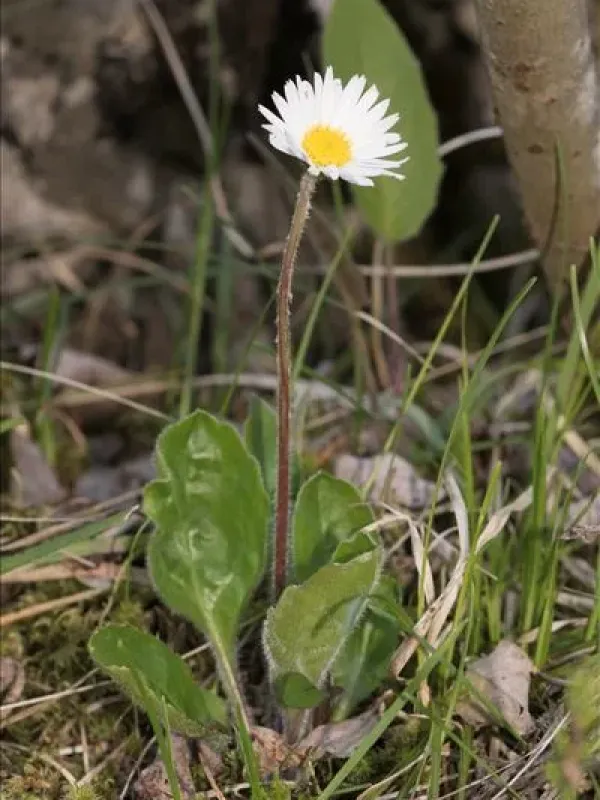
Description
Growing requirements
Bellidiastrum michelii is a herbaceous perennial belonging to the Asteraceae family. Often referred to as the false aster, this species is native to the mountain regions of Europe, where it thrives in limestone-rich soils and rocky terrain.
The plant requires well-drained soil conditions to flourish, as it is particularly sensitive to waterlogging. Ideally, it should be planted in sites with alkaline or neutral pH levels, mirroring its natural alpine habitat which includes slopes and mountain meadows.
Regarding climate, this crop is exceptionally hardy and capable of withstanding cold alpine conditions. It prefers locations with ample sunlight, although it can tolerate partial shade if the environment remains sufficiently cool and airy.
Agricultural maintenance is relatively low, focusing on maintaining soil porosity and ensuring that the root system is not suffocated by heavy, clay-based substrates. Regular weeding around the base of the plant is recommended to reduce competition for nutrients.
For gardening purposes, it is widely used in rock gardens and landscapes that mimic natural alpine environments. Its compact nature and aesthetic appeal make it a favorite for gardeners looking for low-maintenance, ecologically stable plant choices.
Main diseases and pests
Common pathological threats include fungal infections like powdery mildew, which typically occur when air circulation is poor or humidity levels remain consistently high. Proper spacing between plants is essential to mitigate these risks.
Pests such as aphids and spider mites may occasionally infest the plant during prolonged dry spells. Implementing preventative measures, such as monitoring the foliage and maintaining plant vigor, is usually sufficient to prevent major outbreaks.