
Beesia calthifolia
Beesia calthifolia
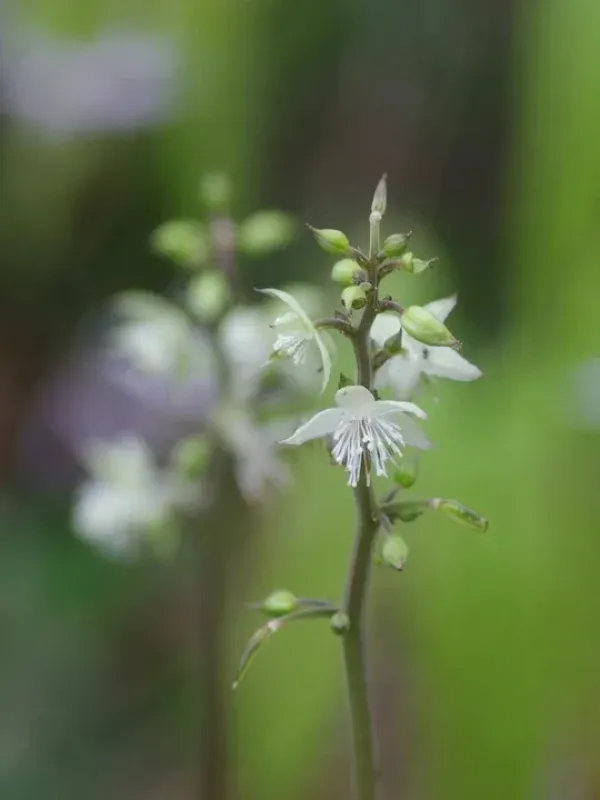
Description
Growing requirements
Beesia calthifolia is a remarkable perennial belonging to the Ranunculaceae family. It is native to the woodland areas of China, where it thrives in cool, moist, and shaded environments, often found under forest canopies.
The plant is highly valued for its attractive heart-shaped, glossy, and evergreen leaves. These foliage clumps remain visually appealing throughout the growing season, making it a perfect addition to shaded flower beds and woodland-themed gardens.
To cultivate this species successfully, it requires fertile, well-draining soil that is rich in organic matter. A slightly acidic to neutral soil pH is ideal for maintaining the plant's health and vibrant leaf color.
In terms of light exposure, Beesia calthifolia prefers partial to full shade. Direct sunlight is detrimental to its foliage, which can easily scorch, especially in regions with hot summer temperatures.
Adequate moisture is crucial for this plant. During dry periods, consistent watering is necessary to prevent the leaves from wilting. Applying a layer of organic mulch around the base helps retain moisture and protects the root system from rapid temperature fluctuations.
Main diseases and pests
Like many shade-loving perennials, Beesia calthifolia can be susceptible to fungal diseases, particularly when humidity is high and airflow is poor. Gray mold (Botrytis) is a common issue in dense, poorly ventilated plantings.
Slugs and snails are the primary pests that damage the ornamental leaves. Gardeners should implement integrated pest management strategies, such as hand-picking, installing copper barriers, or using environmentally safe bait to keep pest populations in check.
Preventive maintenance, such as ensuring proper spacing between plants and removing dead foliage in early spring, is highly effective in reducing the risk of fungal infections and pest infestations.
If disease symptoms appear, targeted fungicide application is recommended. It is essential to ensure that leaves are dry before applying any treatment and to avoid overhead watering, which exacerbates fungal growth.
Maintaining strong, vigorous growth through appropriate soil amendment is the best defense against pests and diseases. Providing consistent care ensures that the plant remains healthy and resilient throughout its lifecycle.