
Southern wax myrtle
Morella cerifera (L.) Small
Description
Sowing dates
Propagation of Southern wax myrtle is primarily achieved through seeds or semi-hardwood cuttings. Seeds require a period of stratification to break dormancy and ensure uniform germination rates.
Sowing in open field or nursery trays should occur after the last spring frost when the soil temperature consistently reaches approximately 15-20 degrees Celsius.
Vegetative propagation via cuttings is favored in commercial settings to preserve specific plant characteristics and achieve faster establishment of the root system.
The plant spreads naturally via suckers; therefore, spacing must be calculated to allow for individual plant growth and to facilitate maintenance access.
Regular monitoring of young seedlings is crucial during the first season to ensure they are protected from extreme dehydration and weed competition.
Growing requirements
Southern wax myrtle (Morella cerifera), belonging to the Myricaceae family, is a versatile shrub that thrives in varied soil types, ranging from sands to heavy clays.
This species is nitrogen-fixing, a trait that allows it to flourish in nutrient-poor environments, making it highly valuable for ecological restoration projects.
It prefers full sun to partial shade; however, optimal wax production is typically associated with plants exposed to maximum sunlight throughout the day.
The species exhibits high tolerance to moisture but requires soil with adequate drainage to maintain long-term vigor and prevent root pathogens.
Agricultural management involves routine pruning to maintain plant shape, which also encourages the production of new growth, as fruits form on younger stems.
Yield
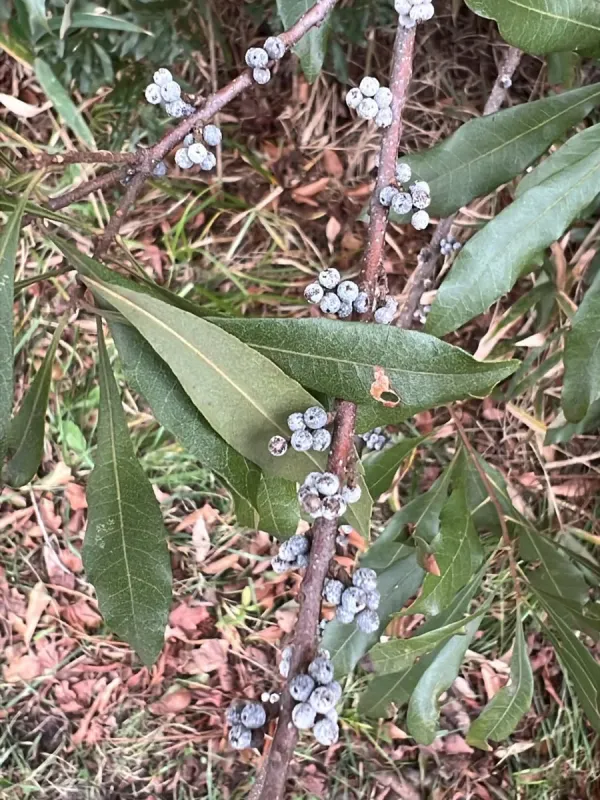
The primary agricultural output is the greyish wax covering the plant's berries, which is harvested and processed for use in candles and soaps.
Harvesting takes place in late summer or early autumn when the fruit is fully mature and the wax layer is at its highest density and concentration.
The extraction process involves simmering the fruit in boiling water, allowing the lightweight vegetable wax to melt and float to the surface for collection.
Beyond wax production, the plant is a mainstay in landscaping due to its resilience against wind, salinity, and its aesthetic appeal in coastal plantings.
The market for bayberry wax remains steady, particularly among consumers seeking natural, biodegradable alternatives to paraffin-based products.
Main diseases and pests
Southern wax myrtle is generally robust, but excessive humidity can lead to fungal issues such as leaf spots, particularly in dense, poorly ventilated canopy zones.
Pests like scale insects and aphids may occasionally infest young foliage, requiring localized treatment with horticultural soaps or oil-based sprays.
Soil pH management is essential, as the plant can develop iron chlorosis if the soil is too alkaline, which hinders the uptake of vital nutrients.
Preventative maintenance includes clearing debris from the base of the shrub to ensure dry conditions and minimize the risk of soil-borne diseases.
Overall, the plant is highly resistant to common agricultural pests and diseases, which reduces the need for heavy chemical applications in large orchards.