
Bay laurel
Laurus nobilis L.
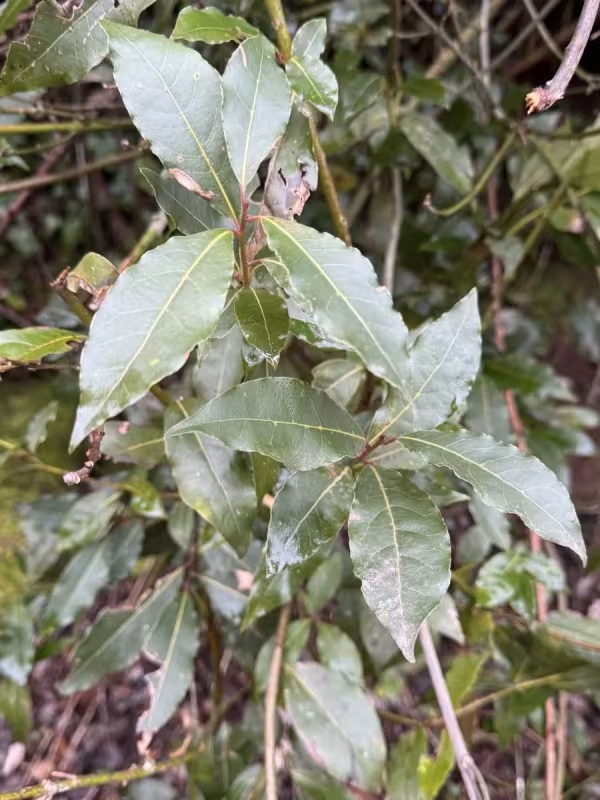
Description
Sowing dates
Bay laurel (Laurus nobilis L.) is a member of the Lauraceae family. It is an evergreen shrub or small tree primarily propagated through seeds, cuttings, or layering. For large-scale production, cuttings are preferred to maintain genetic consistency.
Seeds have a relatively short shelf life and require immediate sowing after maturation. Stratification in moist sand for several weeks significantly improves germination rates, which are otherwise notoriously slow and uneven.
Propagation by semi-hardwood cuttings is the industry standard. Cuttings are taken in mid-summer and placed in a rooting medium under controlled mist conditions to maintain high humidity and prevent dehydration of the plant tissue.
The optimal time for transplanting seedlings to the field is during the spring, after the danger of late frost has passed. Adequate spacing is crucial, typically 2 to 3 meters between rows, to allow for canopy development and ease of access.
Young plants require careful attention to moisture and light during the establishment phase. Once the root system is well-developed, the plant becomes remarkably resilient to environmental variations.
Growing requirements
Native to the Mediterranean region, bay laurel thrives in mild, temperate climates. It requires full sun to partial shade; however, the most aromatic leaves are produced by plants grown in full sun, where the synthesis of essential oils is at its peak.
Soil requirements include well-drained, fertile soil with a neutral to slightly alkaline pH. The plant is highly sensitive to waterlogged conditions, which can lead to root rot and significant yield loss in commercial plantations.
While drought-tolerant once established, supplemental irrigation is necessary during the active growing season to maximize leaf production. Regular fertilizing with nitrogen-rich compounds during the spring stimulates vegetative growth.
Cold hardiness is a limiting factor for cultivation. While it can withstand light frosts, temperatures consistently below -10 to -12 degrees Celsius can severely damage or kill the foliage, requiring winter protection in colder regions.
Proper pruning is essential for maintaining the structure of the plant and promoting the growth of new, tender leaves. Regular trimming also encourages a bushier habit, which increases the total harvestable surface area.
Yield
The yield of bay laurel is measured by the weight of dried leaves and the output of essential oil. Commercial harvesting typically begins when the trees reach 5 to 7 years of age, ensuring the plants have established sufficient structural integrity.
Average yields vary depending on site quality and management intensity. Intensive cultivation systems with proper irrigation and fertilization can yield several tons of dried foliage per hectare annually.
The chemical profile of the leaves, specifically the concentration of cineole and other aromatic compounds, is highest during the winter months. Therefore, harvest timing is adjusted to maximize the quality of the raw material.
Yield management is a long-term process, as bay laurel is a long-lived species. Proper rotation and maintenance of the canopy allow the plantation to remain productive for several decades without the need for replanting.
Post-harvest processing involves careful drying in controlled environments to prevent the degradation of volatile essential oils. Proper drying is key to maintaining market value and ensuring the product meets quality standards.
Main diseases and pests
Bay laurel is susceptible to a range of pests, most notably the scale insect, which clusters on the stems and leaves, extracting vital sap. Severe infestations cause leaf yellowing, reduced vigor, and the development of sooty mold.
Mealybugs are another common threat in dense plantings. They thrive in protected, humid areas within the canopy, making regular pruning to improve airflow an essential preventive strategy for any commercial grower.
Fungal diseases like leaf spot and root rot occur primarily under conditions of high humidity or poor soil drainage. These pathogens can cause significant cosmetic and physiological damage to the crop.
Integrated Pest Management (IPM) is highly recommended. This involves monitoring pest populations, encouraging natural predators, and using selective, low-toxicity insecticides only when thresholds are exceeded.
- Sanitary pruning to remove diseased or infested branches.
- Maintaining adequate plant spacing to facilitate air circulation.
- Regular soil inspection to ensure proper drainage and root health.
Harvesting
Harvesting is traditionally performed manually during the autumn and winter months. The leaves are cut along with short stems, carefully selecting the most mature and healthy foliage to ensure premium quality.
Care must be taken not to over-harvest, as this can reduce the plant's photosynthetic capacity and stunt its growth for the following season. A sustainable harvest involves removing no more than one-third of the leaf mass per year.
After collection, leaves are dried at temperatures below 40 degrees Celsius. Rapid drying at high heat is avoided to prevent the loss of delicate essential oils, which are responsible for the plant's characteristic scent.
The final product must be stored in cool, dark, and airtight conditions to maintain its aromatic profile and prevent moisture-related spoilage. Proper packaging is critical for shelf-life stability.
Maintenance after harvest includes a light application of fertilizer and inspection for signs of stress or pest pressure, ensuring the plants are prepared for the next spring growth cycle.