
Bauhinia petersiana
Bauhinia petersiana
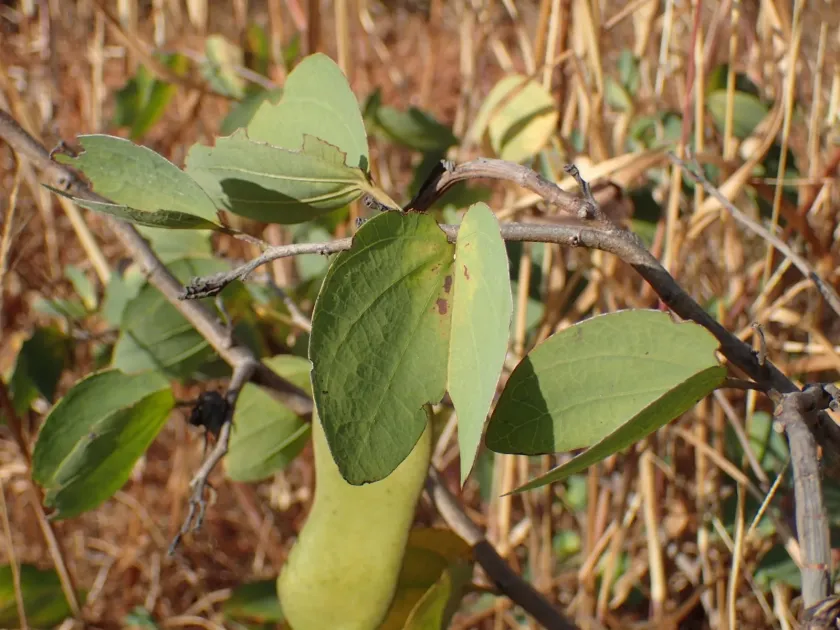
Description
Sowing dates
The propagation of Bauhinia petersiana is primarily achieved through seeds or stem cuttings. Seeds should be harvested once the pods turn a deep dark brown color indicating maturity.
Before sowing, soaking seeds in warm water for 12 to 24 hours improves germination rates. Seeds should be planted in a well-draining potting mix at a depth of 1-2 cm.
Germination typically occurs within 3 to 6 weeks under stable temperatures between 22°C and 25°C. Keeping the seedlings protected from direct wind is crucial during the early stages.
Seedlings should be transplanted into individual containers once they have developed two sets of true leaves. Proper care during this phase ensures a healthy root system development.
The best time to transplant into the field is at the onset of the rainy season, allowing the plant to establish itself before the arrival of harsh dry weather.
Growing requirements
Bauhinia petersiana belongs to the Fabaceae (legume) family and is a native shrub of tropical Africa. It is known for its resilience and ability to thrive in warm climates.
The plant requires well-drained soil with a neutral to slightly acidic pH level. Avoiding waterlogged soils is essential, as the species is prone to root rot in damp conditions.
Being a sun-loving plant, it performs best in full sunlight. Insufficient exposure to light leads to leggy growth and significantly reduces the quality of flowering.
The ideal climate involves average annual temperatures above 15°C. In regions with freezing winters, the plant must be cultivated indoors or in climate-controlled greenhouses.
Standard agrotechnical practices include moderate irrigation during the growing season and periodic organic fertilization to promote robust growth and blooming.
Yield
Bauhinia petersiana is primarily utilized for its high ornamental value in landscaping. It serves as a beautiful accent plant in tropical and subtropical urban gardens.
The flowers are highly attractive to pollinators, serving as an excellent nectar source. This promotes healthy ecosystem functioning in residential and public green spaces.
While not a primary commercial crop, certain parts of the plant have been used in traditional medicine, showcasing the species' pharmacological potential.
The seeds are protein-rich and can serve as a supplementary food source in traditional diets after proper preparation, adding to the plant's utilitarian value.
The wood produced by the shrub is dense and durable, which makes it suitable for small-scale woodcraft or high-quality fuel in rural African contexts.
Main diseases and pests
Common pests include spider mites and mealybugs, which thrive in low-humidity environments. Regular monitoring of the foliage is necessary to detect early infestations.
Fungal diseases, such as leaf spot, are often caused by excessive moisture or poor air circulation. Improving plant spacing helps mitigate these risks.
Integrated pest management, including the use of systemic insecticides if needed, is the standard approach to keeping the shrub healthy and productive.
Maintaining a weed-free area around the base of the plant is vital to prevent competition for nutrients and water, which otherwise stresses the shrub.
Strategic pruning not only enhances the visual shape of the shrub but also removes diseased or overcrowded branches, reducing the overall risk of pathogen spread.