
Batemannia colleyi
Batemannia colleyi
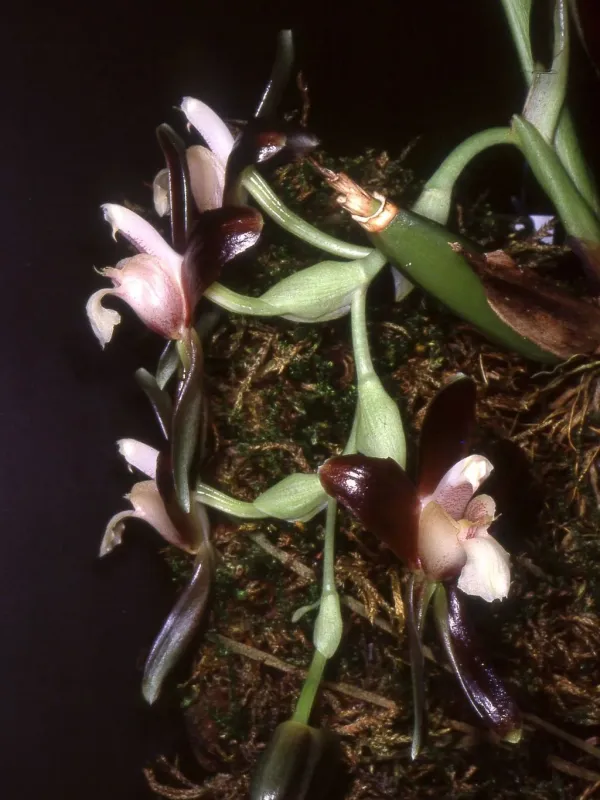
Description
Growing requirements
Batemannia colleyi is a remarkable epiphytic orchid species belonging to the Orchidaceae family. It originates from the dense, humid rainforests of South America, where it thrives on tree trunks in conditions of constant moisture and indirect sunlight.
The optimal temperature range for this plant is between 18°C and 25°C. Maintaining this range consistently is crucial for healthy development, as extreme heat or cold stress can quickly lead to the physiological decline of the orchid.
When selecting a growing medium, it is essential to mimic the plant's natural habitat. A well-draining mix of pine bark, perlite, and sphagnum moss is ideal to ensure sufficient airflow to the root system, preventing compaction and suffocation.
Lighting requirements are specific: the plant requires bright but diffuse light. Direct sun exposure must be strictly avoided, as it can cause severe tissue damage and yellowing of the leaves within a few hours of exposure.
Humidity management is the cornerstone of its cultivation. High humidity levels, ideally around 75%, are necessary. During the growth cycle, consistent moisture is required, but the roots must be allowed to dry slightly between waterings.
Main diseases and pests
The primary threats to Batemannia colleyi include various fungal pathogens that thrive in high-humidity environments with poor ventilation. Root rot is the most common condition leading to the death of the plant.
Pests such as spider mites and aphids are frequently observed. These insects exploit the plant's succulent leaves and pseudobulbs, draining nutrients and weakening the overall structure of the specimen.
Effective management involves regular inspection of the leaf axils and the undersides of leaves. Integrated pest management, including the use of neem oil or targeted acaricides, is recommended at the first sign of infestation.
Poor water quality often results in mineral accumulation, which damages the root tips and inhibits nutrient uptake. It is recommended to use distilled, rainwater, or reverse osmosis water for all irrigation needs.
For long-term health, ensure the pot allows for vertical drainage and good air exchange. Avoiding over-fertilization is also critical, as the roots are sensitive to salt concentrations in the substrate.