
Bashania fargesii
Bashania fargesii
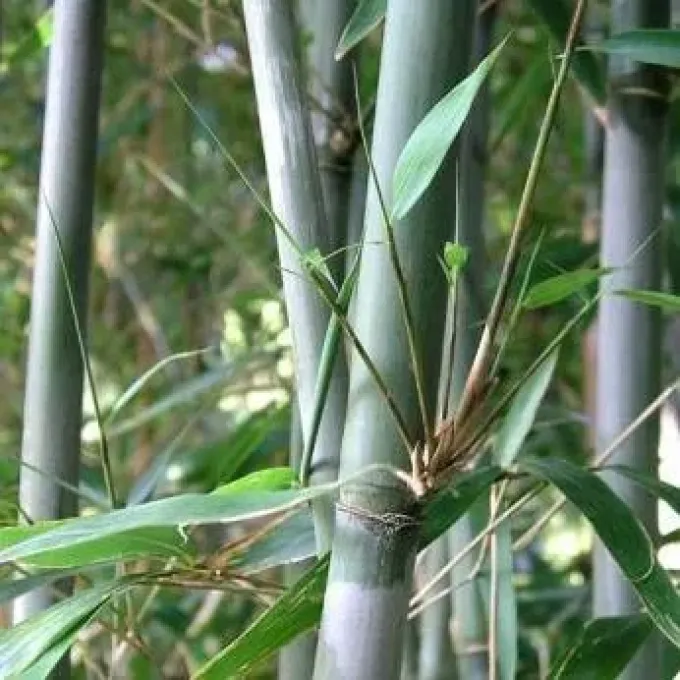
Description
Growing requirements
Bashania fargesii is a robust bamboo species belonging to the Poaceae family. Native to the mountainous regions of central and western China, this plant is highly valued for its cold tolerance.
Botanically, it features sturdy culms that create dense, spreading thickets. It is known for its ability to withstand sub-zero temperatures, making it a reliable choice for landscaping in cooler zones.
The plant thrives in well-drained, nutrient-rich, and slightly acidic loamy soils. Proper drainage is critical, as waterlogged conditions can severely damage the rhizomes and roots of the plant.
Regarding climate, it prefers locations with high humidity and protection from harsh, drying winds. While it tolerates partial shade, it produces the most vigorous growth when receiving adequate sunlight.
General maintenance requires mulching the base to retain soil moisture and stabilize temperatures. Consistent irrigation is essential, especially during the dry summer months to ensure active development.
Main diseases and pests
Common diseases affecting Bashania fargesii are primarily fungal, often stemming from poor soil aeration and water stagnation in the root zone during the dormant season.
Pests like spider mites and aphids may infest the leaves during dry periods. Effective management includes regular inspections and the application of horticultural soaps if necessary.
Environmental stress, particularly frost-desiccation in early spring, can cause leaf browning. Protecting the root system with organic mulch helps mitigate this seasonal threat.
Overcrowding is a significant issue; without thinning the clumps, the center of the plant may become vulnerable to lack of air circulation, promoting fungal outbreaks.
Root damage caused by improper mechanical cultivation near the rhizomes can invite pathogens into the plant system, thus manual weeding is preferred over mechanical tillage.