
Philippine violet
Barleria cristata L.
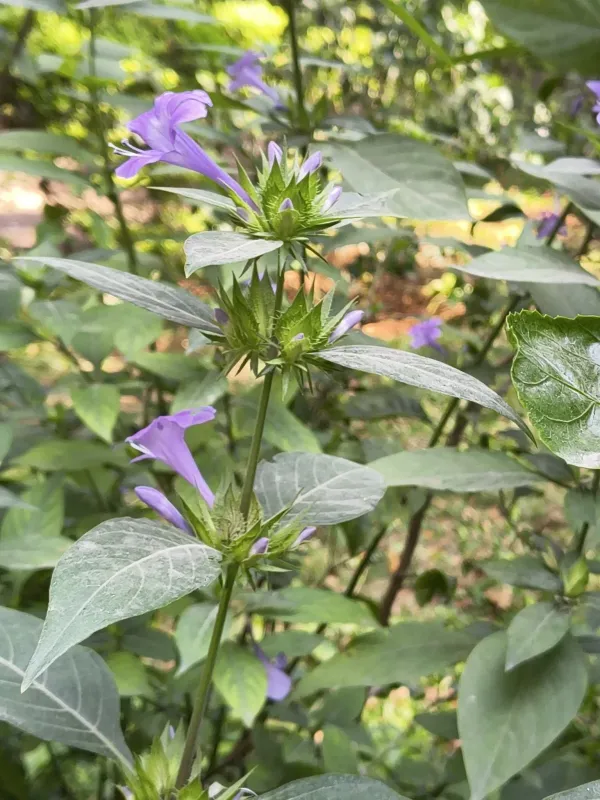
Description
Growing requirements
Philippine violet (Barleria cristata L.) is a perennial evergreen shrub belonging to the Acanthaceae family. Originally native to India and Southeast Asia, this species has become a popular ornamental and medicinal crop cultivated in tropical and subtropical climates worldwide.
The plant requires a stable tropical climate to thrive. It performs best in temperatures ranging from 20°C to 30°C. It is highly intolerant to frost; even brief exposure to temperatures below 5°C can lead to significant foliage damage and potential plant mortality.
For optimal growth, the species demands well-draining, nutrient-rich soil with a slightly acidic to neutral pH. It is essential to ensure that the medium remains moist but not waterlogged, as stagnant water is the primary cause of root-related failures in this crop.
Lighting requirements are significant for the blooming process. Barleria cristata needs bright, indirect sunlight to maintain its vibrant flower production and compact growth structure. Insufficient light leads to etiolation, where stems become weak, elongated, and less productive.
Agrotechnical maintenance includes consistent watering during the growing season and periodic pruning to maintain shape. Since the plant is a prolific grower, pruning helps stimulate branching and enhances the overall density of the shrub, leading to a more spectacular display of flowers.
Main diseases and pests
Pest pressure mainly comes from whiteflies and spider mites, which thrive in warm, dry environments. Regular inspection and the application of insecticidal soaps or neem oil are effective strategies for managing these populations before they cause severe damage.
Fungal issues, such as leaf spot and powdery mildew, may occur if air circulation is poor or if humidity levels remain excessively high for prolonged periods. Maintaining adequate spacing between plants and ensuring good ventilation are critical preventative measures.