
Barleria obtusa
Barleria obtusa Nees
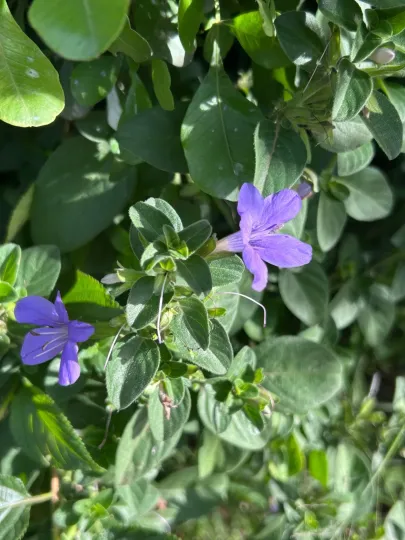
Description
Sowing dates
Propagation of Barleria obtusa is primarily achieved through stem cuttings, which is the most reliable method for maintaining the plant's unique characteristics. The best time for taking cuttings is late spring or early summer, coinciding with the plant's peak growth phase.
Cuttings should be placed in a well-draining, sterile rooting medium, such as a mix of peat moss and perlite. Providing high humidity and a constant temperature of around 22 degrees Celsius will significantly improve the success rate of root development.
Once the root system is established, the young plants should be carefully transplanted into pots with nutrient-rich soil. It is vital to handle the roots gently to minimize transplant shock and ensure healthy, steady growth after the move.
To encourage a bushy habit and maximize floral output, the growing tips should be pinched back regularly. This process directs the plant's energy into developing lateral branches rather than growing tall and leggy, which is essential for ornamental quality.
In temperate climates, the plants may be moved outdoors once the risk of frost has completely passed. They should be placed in a location with filtered sunlight to protect the leaves from excessive heat and potential sun scorch.
Growing requirements
Barleria obtusa, a member of the Acanthaceae family, originates from South Africa and thrives in warm, temperate conditions. It requires bright, indirect light to maintain deep green foliage and encourage consistent, vibrant blooming throughout the season.
The ideal soil for this species is a high-quality, organic-rich mix that ensures excellent drainage. Because the plant is sensitive to root rot, the potting medium must be aerated, and containers should always feature adequate drainage holes at the bottom.
Watering should be performed with consistency, allowing the top inch of soil to dry out between sessions. Over-watering is a common mistake that can lead to root degradation, so it is safer to keep the soil slightly on the dry side rather than saturated.
Fertilization with a balanced, liquid houseplant fertilizer is recommended during the growing months. Applying a bloom-booster fertilizer, rich in phosphorus and potassium, as the buds begin to form will result in more prolific and long-lasting flowering.
Since the plant prefers high ambient humidity, regular misting of the leaves is beneficial. If kept indoors, utilizing a pebble tray or a humidifier will help mimic the tropical environment the plant is naturally adapted to, preventing leaf edges from crisping.
Main diseases and pests
The most common pests affecting Barleria obtusa are spider mites and whiteflies, especially when kept in environments with low humidity. These pests feed on the plant's sap, leading to weakened growth and unsightly spots on the leaves.
Management involves using insecticidal soap or neem oil, ensuring thorough coverage of all leaf surfaces. It is essential to monitor the plant closely and treat infestations early before the population becomes established and difficult to eradicate.
Fungal diseases, such as powdery mildew or root rot, are often the result of poor air circulation and excessive moisture. To mitigate these risks, ensure that plants are spaced appropriately and that the growing area is well-ventilated at all times.
If root rot is suspected, remove the plant from its pot and inspect the roots. Trim away any mushy or blackened sections, treat the remaining healthy roots with a fungicide, and repot in fresh, dry soil to give the plant a chance to recover.
Preventative care is the best strategy against all threats. A healthy, well-fed plant in a well-lit, ventilated space will naturally have better resistance to common pests and diseases than one grown in poor conditions.