
Apple moss
Bartramia pomiformis
Description
Growing requirements
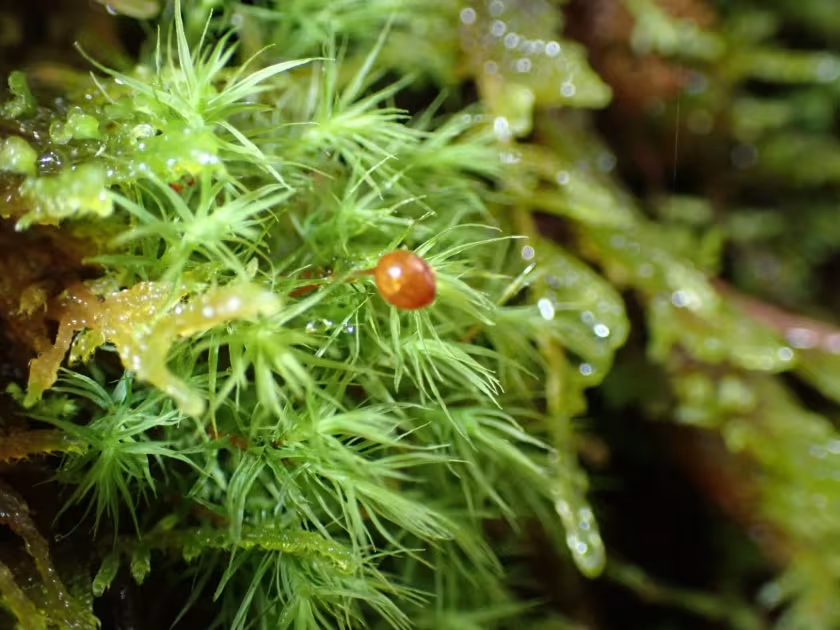
Apple moss (Bartramia pomiformis) is a perennial moss species belonging to the Bartramiaceae family. It is distinct due to its apple-shaped capsules, which give the plant its common name. The species is characterized by forming dense, rounded tufts that provide micro-habitats for various microorganisms.
The plant originates from temperate regions across the Northern Hemisphere. It is typically found in moist, shaded environments, including damp cliffs, steep banks, and the base of ancient trees in woodland ecosystems where the air remains consistently humid.
Requirements for growth include high atmospheric moisture and protection from direct sunlight. Excessive exposure to solar radiation leads to desiccation, which, while tolerated to a degree, hinders optimal growth and spore production.
This moss thrives on acidic to neutral, nutrient-poor substrates, such as sandy soils or rocky outcrops covered with thin layers of decaying organic matter. It requires a substrate that retains sufficient water to keep the moss hydrated throughout the growing season.
While not a traditional agricultural crop, it is cultivated by enthusiasts in specialized bryophyte gardens or terrariums. Care involves providing filtered light, spraying with distilled or soft water, and avoiding any synthetic fertilizers that could damage the delicate cell structures.
Main diseases and pests
The primary threats to Bartramia pomiformis populations include habitat fragmentation and climate change. As an atmospheric moisture indicator, the moss is highly susceptible to the drying effects of global warming and industrial pollutants.
Pests such as gastropods (slugs and snails) can significantly reduce colony density by grazing on the leafy gametophytes. Furthermore, small soil mites may inhabit the dense moss layers, sometimes causing localized damage.
Fungal pathogens represent a major threat, particularly when humidity is combined with poor air circulation. This results in the rapid decay of the moss cushion, leaving bare patches that take years to recolonize through spores.
Competitive pressure from invasive higher plants often displaces the moss from its natural sites. Increased nitrogen deposition from air pollution can also favor faster-growing competitors, which eventually outcompete this sensitive species.
Conservation of its natural habitat is crucial for survival. Efforts should focus on preserving old-growth forest microclimates, which provide the stable, cool, and damp conditions necessary for this species to complete its life cycle.