
Barteria nigritana
Barteria nigritana
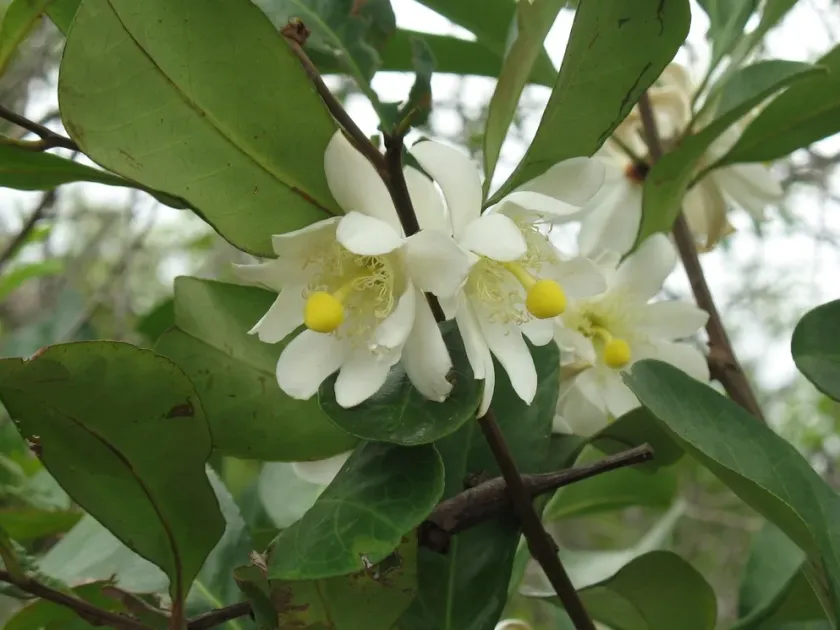
Description
Growing requirements
Barteria nigritana is a remarkable tree belonging to the Passifloraceae family, native to the tropical rainforests of West and Central Africa. It is biologically classified as a myrmecophyte, meaning it maintains a symbiotic relationship with ants that live in its hollow branches.
The ecological requirements for this species include high annual rainfall and consistently warm temperatures. It thrives in well-drained, nutrient-rich forest soils where it can compete for sunlight, although it is often found in riverine environments.
Agrotechnical management requires maintaining the natural symbiosis with ants, as they serve as the plant's primary defense system against herbivores. Without these insects, the plant becomes significantly more vulnerable to external environmental pressures.
Soil cultivation must prioritize high organic matter content, mimicking the natural leaf litter found in its native habitat. Proper drainage is essential, as the roots are sensitive to waterlogging which can lead to rapid decay in tropical heat.
Economically, the tree is utilized by local populations for its durable timber used in light construction and traditional tool handles. Its bark and leaves are also valued in ethnomedicine for their antiseptic and anti-inflammatory properties.
Main diseases and pests
The primary threat to Barteria nigritana is habitat loss due to deforestation and land-use change in its native range. This destruction breaks the delicate balance between the tree and its symbiotic ant colonies, leading to population declines.
Fungal pathogens pose a risk to the tree's health, particularly during periods of extreme humidity when airflow around the crown is restricted. Infections can manifest on the bark and leaves if not managed correctly.
Insect pests that bypass the ant defense system are a concern; these can include various stem-borers that find ways into the wood if the defensive ants are absent or inactive. Regular inspection is necessary to manage these pests.
Bacterial wilt can occur if the root system is damaged during cultivation or if there is excessive moisture in the rhizosphere. Maintaining a healthy soil environment is the best defense against these microscopic threats.
Overall, the vulnerability of the tree is tied to its ecological specialization. As a niche forest species, it does not adapt well to conventional monoculture, making it a challenging species for large-scale agricultural exploitation.