
Barbeuia madagascariensis
Barbeuia madagascariensis
Description
Growing requirements
Barbeuia madagascariensis is a unique perennial woody vine and the sole member of the family Barbeuiaceae. Native to the island of Madagascar, this species is strictly adapted to tropical forest environments, which dictates its specific physiological and ecological constraints when introduced into cultivation.
The climate requirements are strictly equatorial; the plant thrives only in environments with high annual rainfall and consistently warm temperatures. Frost and cold snaps are lethal to this species, necessitating specialized greenhouse conditions in non-tropical agricultural zones to maintain biological stability.
Soil management for this culture involves high-drainage, nutrient-rich substrates, typically modeled after forest floor conditions. The root system is sensitive to waterlogging, necessitating a balance between constant moisture availability and optimal oxygen exchange within the soil profile.
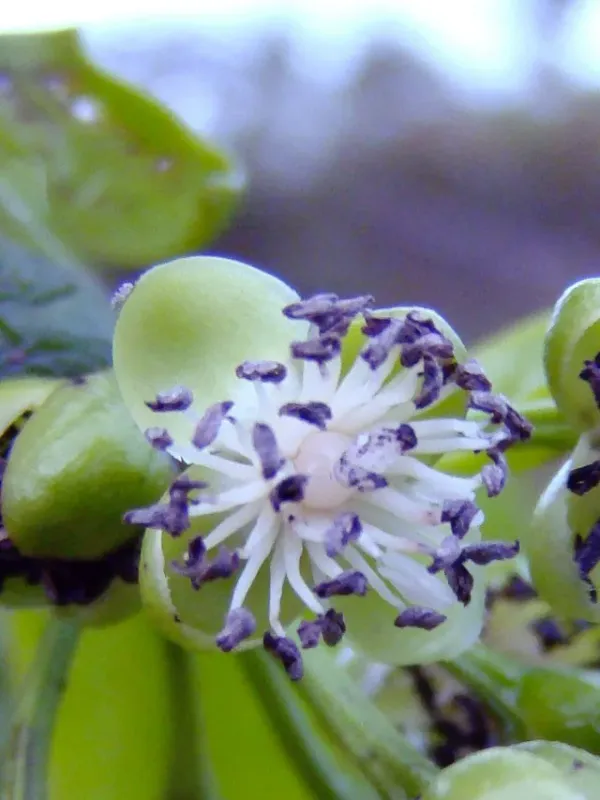
Botanically, the plant is characterized by its vining habit and distinct floral morphology, which are essential for its natural ecological niche. In an agricultural setting, the plant requires durable trellising systems to accommodate its vertical growth patterns and promote healthy leaf development under controlled lighting conditions.
Currently, the economic utilization of Barbeuia madagascariensis remains limited to scientific research and specialized botanical conservation. While not a commercial staple crop, it is studied for its unique phytochemical properties, which hold potential interest for pharmaceutical or agricultural biotechnology sectors.