
Baphiopsis parviflora
Baphiopsis parviflora
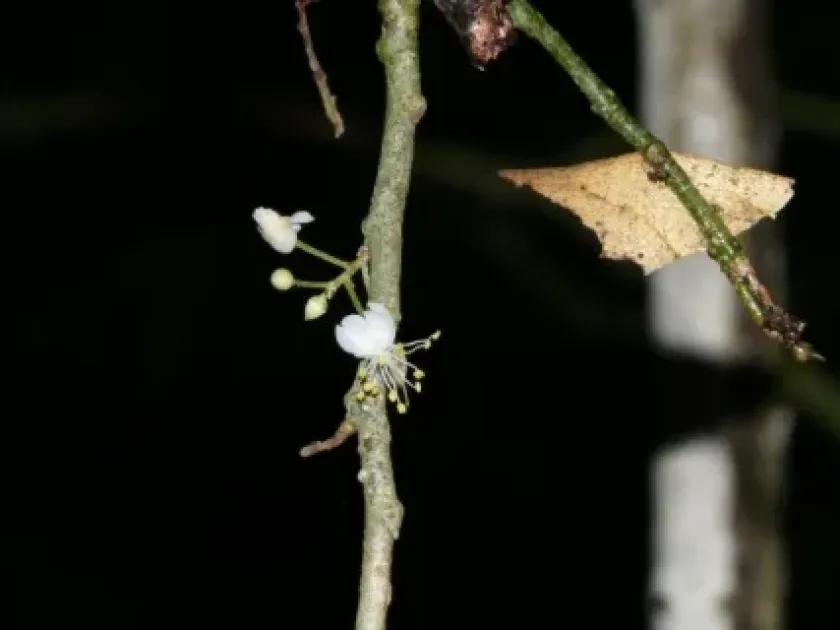
Description
Growing requirements
Baphiopsis parviflora is a distinct plant species belonging to the legume family (Fabaceae), native to the tropical regions of Africa. It is known for its role in maintaining biodiversity within its original forest habitats.
The cultivation of this species requires a tropical climate environment characterized by consistently high humidity levels and lack of significant temperature fluctuations throughout the year.
Soil requirements include well-drained, nutrient-rich substrates that mimic the natural organic-rich floor of tropical forests to ensure optimal root health.
Young specimens of Baphiopsis parviflora require protection from direct, intense sunlight, as the species is evolutionarily adapted to shaded understory environments.
Proper agronomic management involves regular maintenance of soil aeration and pH monitoring to ensure the plant can efficiently absorb nutrients required for structural growth.
Main diseases and pests
The plant faces various biotic threats in its native and cultivated range, primarily from insects that specialize in consuming the foliage of tropical legumes.
Fungal pathogens represent a significant risk, particularly during seasons with excessive rainfall or in stagnant air conditions within a plantation setting.
Root rot is a common issue for Baphiopsis parviflora, often triggered by waterlogged soil conditions that prevent adequate oxygen exchange at the root zone.
Integrated pest management strategies are highly recommended to minimize the impact of pests while maintaining the health of the surrounding ecosystem.
Continuous monitoring of plant vigor is necessary to detect early symptoms of disease, ensuring that mitigation efforts can be applied timely and effectively.