
Bangia atropurpurea
Bangia atropurpurea
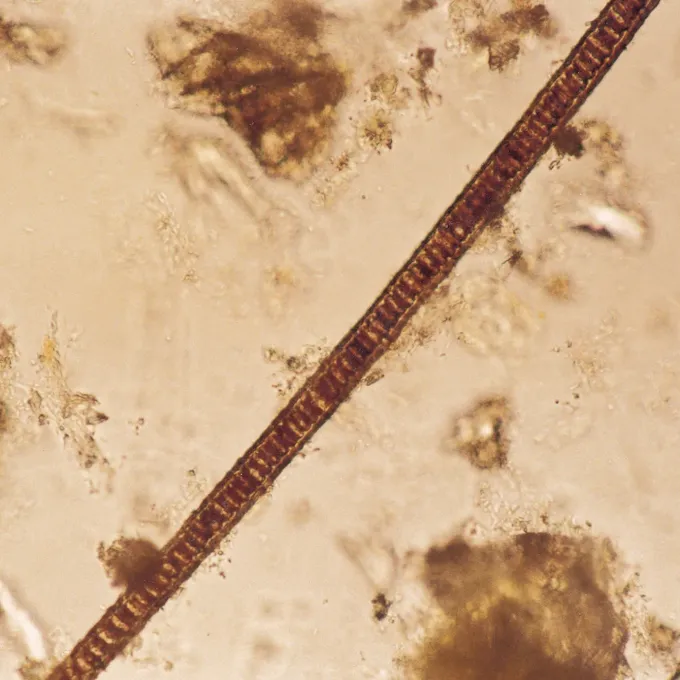
Description
Growing requirements
Bangia atropurpurea is a notable species of red algae belonging to the family Bangiaceae. It typically manifests as a filamentous macroalgae, characterized by a complex heteromorphic life cycle that involves a macroscopic gametophyte and a microscopic sporophyte known as the conchocelis phase.
This species exhibits remarkable ecological versatility, inhabiting a wide range of environments from marine coastlines to freshwater streams. It thrives primarily on rocky substrates, especially in high-energy zones like surf areas, where constant water movement ensures a steady supply of nutrients and oxygen.
Temperature is a critical factor for the growth of Bangia atropurpurea, which favors temperate and cool waters. Its ability to tolerate significant variations in salinity allows it to bridge the gap between marine and freshwater habitats, making it a highly resilient species in dynamic aquatic zones.
The nutrient requirements for optimal biomass production include elevated levels of nitrogen and phosphorus. In its natural environment, high light intensity on shallow rocky shelves triggers rapid growth, allowing the algae to form dense, dark purple to blackish mats that cover the submerged surface.
Aquacultural cultivation involves the use of artificial seeding on ropes or synthetic nets placed in optimal water columns. Proper management includes monitoring water temperature and solar irradiance to synchronize the life cycle stages, thereby maximizing the total yield of high-quality algal biomass.
Yield
The yield of this crop is largely determined by the density of substrate deployment and the nutrient concentration of the surrounding water. Under ideal conditions in a well-managed aquaculture site, producers can harvest several tons of raw wet mass per hectare within a single season.
Main diseases and pests
Major threats include environmental pollution and eutrophication, which can lead to competitive displacement by faster-growing green algae. Furthermore, fungal infections and certain grazing invertebrates are recognized as significant pests that can rapidly devastate established colonies.
Harvesting
Harvesting is typically performed using mechanical cutters designed to strip the filamentous thalli from the cultivation ropes. Once harvested, the material must be processed promptly through air-drying or rapid freezing to prevent degradation and to preserve the valuable pigments and nutritional compounds.