
Baltimora recta
Baltimora recta
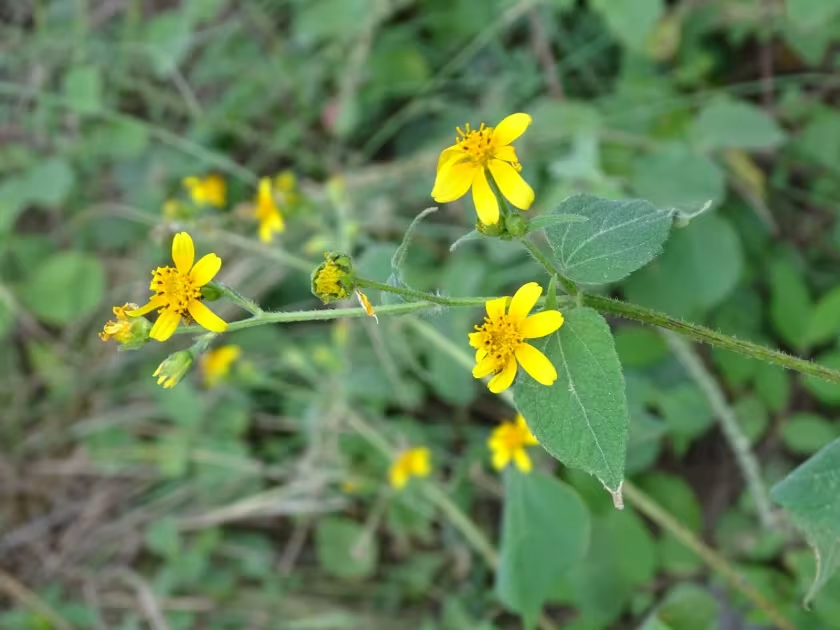
Description
Sowing dates
Baltimora recta is an annual herbaceous plant belonging to the Asteraceae family. Known for its specific growth habits, it is often studied for its botanical properties and adaptability to various soil types.
The optimal sowing time for Baltimora recta is late spring, once the danger of late frost has passed and the soil temperature has consistently warmed up to promote rapid germination.
Seeds should be sown in prepared, well-draining soil at a shallow depth of approximately 1 to 2 centimeters. Ensuring good seed-to-soil contact is vital for moisture absorption and successful sprouting.
In regions with shorter growing seasons, starting seeds indoors in greenhouse trays is recommended. This allows for a head start, ensuring the plants are well-established before being transplanted outdoors.
Spacing is essential for the healthy development of this plant. A layout that provides adequate room for branching, typically 30 to 40 centimeters apart, helps maximize airflow and light penetration across the canopy.
Growing requirements
This species is highly photophilous and requires full sun exposure to thrive. Insufficient light levels often lead to stunted growth and poor flower development, hindering the overall vigor of the crop.
The plant performs best in loose, fertile soils that possess a neutral to slightly acidic pH. Good structural drainage is paramount to prevent the accumulation of water, which is detrimental to the root system.
Temperature requirements are moderate. The crop flourishes in temperatures ranging from 20°C to 25°C. Excessive heat or sudden cold snaps can impede growth and cause significant stress to the vegetation.
Consistent moisture is needed during the early stages of growth. However, once the plant is established, it becomes somewhat more resilient to fluctuations in watering, though drought should still be avoided.
Regular maintenance, including weeding and soil aeration, is necessary to keep the area free of competition. Proper field management ensures the plants have access to necessary nutrients and water throughout the season.
Main diseases and pests
The most common threats to Baltimora recta include fungal diseases such as powdery mildew, especially in environments with high humidity and poor air circulation around the plants.
Pests like aphids can colonize the soft tissues of the stems and leaves. If left untreated, these insects can weaken the plant, making it more susceptible to secondary infections or viral agents.
Spider mites are a significant concern during dry, hot spells. They cause damage by puncturing cell walls, leading to leaf yellowing and desiccation if not managed with appropriate pest control.
Root rots are frequently associated with waterlogged soil. To prevent this, growers should ensure that irrigation practices are aligned with the soil's drainage capacity and avoid overwatering.
Integrated pest management, including regular crop inspection and the use of resistant varieties where available, is the best strategy for maintaining the health of the planting against these common threats.