
Balsamorhiza sagittata
Balsamorhiza sagittata
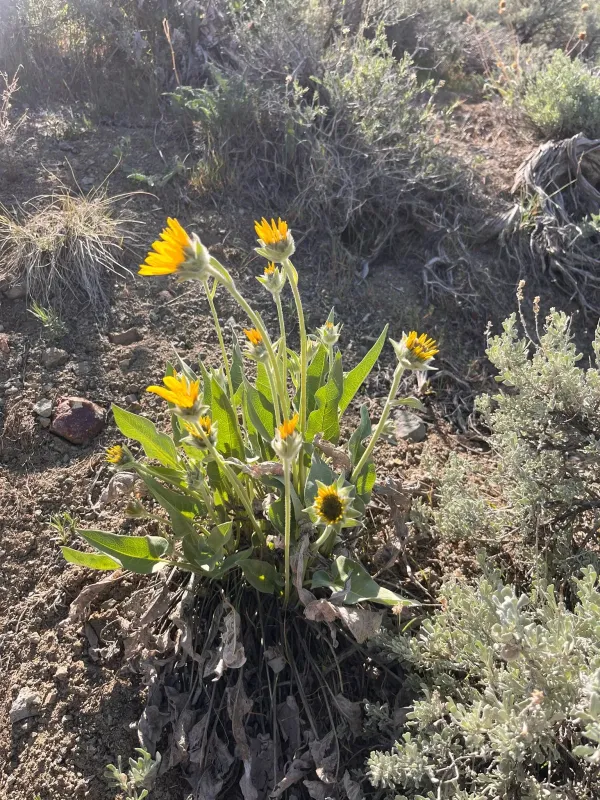
Description
Sowing dates
The sowing of Balsamorhiza sagittata, commonly known as arrowleaf balsamroot, is best performed during the autumn. This timing allows the seeds to undergo natural stratification within the soil, which is essential for successful germination.
In its native North American range, germination typically occurs immediately following the melting of winter snow. When cultivating this crop, it is critical to ensure that the soil warms up sufficiently to support the development of a robust taproot system during the first growing season.
If spring sowing is chosen, seeds must undergo cold stratification at temperatures between +1 and +5 degrees Celsius for at least 60 days. Without this pretreatment, the germination rate remains significantly depressed due to the species' inherent dormancy.
The recommended seeding method involves drilling at a row spacing of 45 to 60 centimeters. Seeds should be planted at a shallow depth of 1 to 2 centimeters, as the small seeds possess limited energy reserves to emerge from deeper layers of soil.
Target planting density should be approximately 8 to 12 plants per square meter to ensure adequate space for development. Weed control is essential during the early stages of establishment, as the seedlings are quite slow-growing compared to many common weeds.
Growing requirements
Balsamorhiza sagittata has strict requirements regarding soil drainage. It is highly intolerant of waterlogged conditions, which lead to rapid root rot and subsequent plant mortality. Well-drained soils are a prerequisite for successful cultivation.
The plant thrives in full sun on light, airy soils, such as sandy loams or rocky substrates, that are rich in mineral content. The ideal pH range is neutral to slightly alkaline, typically between 6.5 and 7.5.
This species is exceptionally drought-tolerant due to its ability to store moisture in its thickened taproot. This biological trait makes it an excellent candidate for land reclamation and restoration projects in arid and semi-arid environments.
The temperature regime required includes a preference for moderate summers and cold winters. It is highly frost-hardy and can withstand the extreme temperature fluctuations characteristic of continental climates and high-altitude regions.
Fertilization should be handled with caution. Excess nitrogen encourages excessive vegetative growth at the expense of root system development, which can reduce the plant's hardiness and energy reserves before the onset of winter.
Yield
The primary agricultural use of balsamroot is for forage production. During the flowering stage, the plant provides high nutritional value, making it an excellent fodder source for livestock, particularly sheep and horses.
Yields of green biomass are highly dependent on environmental conditions and the maturity of the stand. In the first year, productivity is minimal as the plant focuses its metabolic energy on establishing a deep, permanent root system.
By the third or fourth year, a well-managed stand reaches maturity and provides a stable annual hay crop. Harvesting must be timed correctly; if the plants become too mature and woody, their palatability for livestock decreases significantly.
Seed production is an emerging area of interest for companies specializing in rangeland restoration. Harvesting requires precise timing, as the seeds have a tendency to shatter or drop as soon as they reach full maturity.
Beyond its forage value, the plant is a valuable melliferous species. Its vibrant yellow flowers attract a wide array of pollinators, enhancing the ecological productivity and biodiversity of the surrounding agricultural landscape.
Main diseases and pests
Root rot is the most significant threat to balsamroot stands, usually triggered by poor drainage or excessive soil moisture. These fungal issues can cause rapid decline and patchiness in established fields.
Insect pests, including various leaf-chewing larvae and beetles, can cause localized damage to the foliage. While usually not fatal to established plants, high populations can reduce the overall quality and quantity of the forage yield.
Fungal leaf diseases such as rusts may occur during years of unusually high humidity. Prevention is key, involving good field hygiene and, if necessary, the application of fungicides approved for use on forage crops.
Rodents pose a major risk to younger stands by feeding on the succulent taproots and the tender rosette of leaves. Pest control measures should be implemented prior to or shortly after sowing to protect the vulnerable young crop.
Weed competition is the primary limiting factor in the first year of growth. Because arrowleaf balsamroot develops slowly, regular mechanical cultivation between rows is necessary to prevent encroaching vegetation from shading and outcompeting the crop.