
Bakeridesia bedfordiana
Bakeridesia bedfordiana
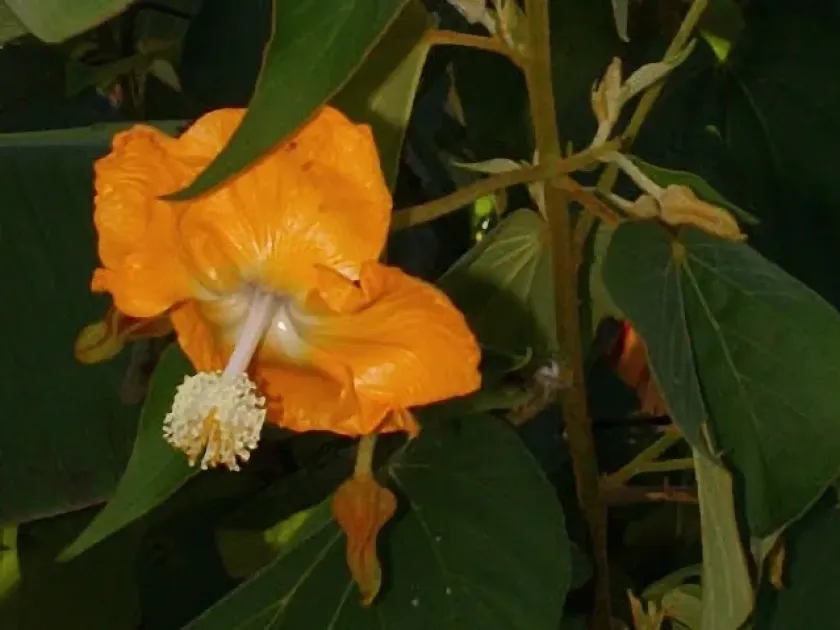
Description
Growing requirements
Bakeridesia bedfordiana is a perennial woody plant belonging to the Malvaceae family. Originating from the tropical forests of South America, this species has evolved in warm, humid climates, making it a specialized crop for specific geographical zones.
The climate requirements for this culture are stringent, favoring stable tropical or subtropical conditions. It thrives at temperatures between 20°C and 28°C and lacks cold hardiness, meaning that even light frost can cause severe physiological damage or plant mortality.
Regarding soil conditions, Bakeridesia bedfordiana requires fertile, well-draining substrates. It is particularly sensitive to waterlogging, which often leads to root rot; therefore, providing adequate drainage or planting on elevated beds is a standard agrotechnical requirement.
Agricultural management involves careful moisture control and sunlight exposure. While it prefers full sun for optimal flowering, moderate shade during peak afternoon temperatures can prevent leaf desiccation in particularly harsh tropical environments.
The industrial or ornamental utility of the species is focused on its structural characteristics as a shrub or small tree. Its ability to integrate into diverse ecosystems makes it a subject of interest for localized agroforestry projects and ecological landscape design.
Main diseases and pests
The primary threats to Bakeridesia bedfordiana include fungal diseases such as powdery mildew and root pathogens, which proliferate in poorly ventilated or excessively humid conditions. Monitoring humidity levels is essential for disease prevention.
Insect pests, including various species of aphids and spider mites, represent a common challenge in greenhouse or nursery cultivation. Implementing an Integrated Pest Management (IPM) strategy is highly recommended to protect the integrity of the plant's foliage and overall development.