
Baissea multiflora
Baissea multiflora
Description
Growing requirements
Baissea multiflora is a woody vine belonging to the Apocynaceae family. This species is well-known for its climbing habit, using specialized stems to scale tall tropical trees in search of sunlight within the dense African forest canopy.
The plant originates from the tropical zones of West and Central Africa. Its natural distribution is tied to humid lowland rainforests and gallery forest systems, where it thrives in warm, stable climates with high annual precipitation.
To successfully cultivate this species, it requires deep, fertile, and well-drained soils rich in organic matter. While it is accustomed to humidity, waterlogging must be avoided to prevent root decay, which is a common issue for many tropical vines.
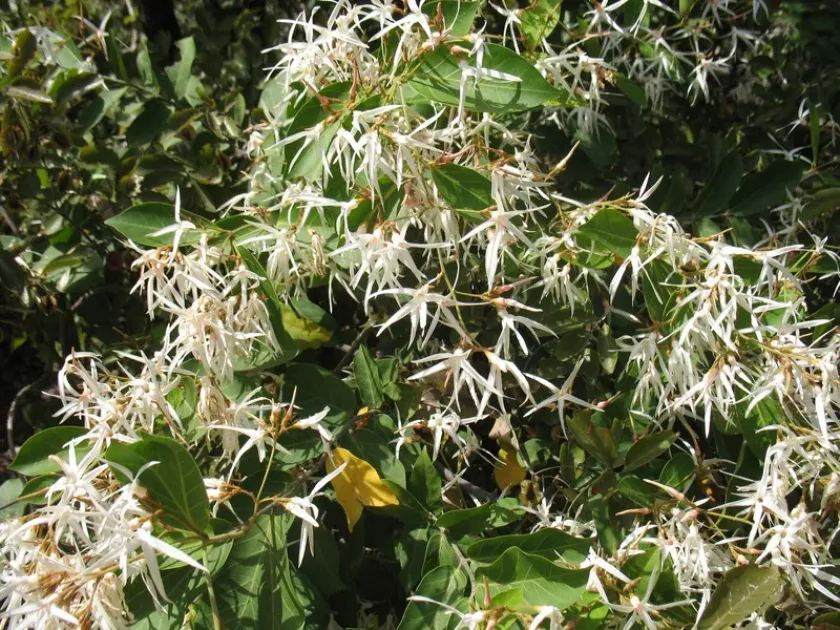
Botanically, it features opposite elliptical leaves and small, fragrant flowers arranged in complex clusters. The stems contain latex, a characteristic common to the Apocynaceae family, which serves as a defense mechanism against many generalist herbivores.
The agricultural and economic utility of Baissea multiflora is largely concentrated in traditional medicinal practices. Various extracts from the plant are studied for their potential pharmacological properties, highlighting its significance in ethnobotany and modern phytochemical research.
Main diseases and pests
The plant is susceptible to fungal infections if cultivated in environments with poor air circulation or excessive moisture. Leaf spot diseases are the most common issue observed when the plant is grown outside its natural forest environment.
In terms of pests, mealybugs and spider mites are frequent threats that target the young shoots and leaves. These pests can significantly stunt the growth of the vine if left unchecked during the peak of the growing season.
Cultural control, such as maintaining adequate space between plants and ensuring optimal light exposure, is essential to mitigate disease risk. Proper pruning practices also help in keeping the plant structure open and healthy.
The chemical composition of the plant, including various alkaloids, acts as a natural deterrent against many insects, yet it does not prevent attacks from highly specialized pests that have evolved to consume its tissues.
Monitoring the plant for signs of stress or pest infestation is crucial for high-quality production. Integrated pest management strategies are recommended to maintain the integrity of the plant without relying solely on chemical inputs.