
Bagassa guianensis
Bagassa guianensis
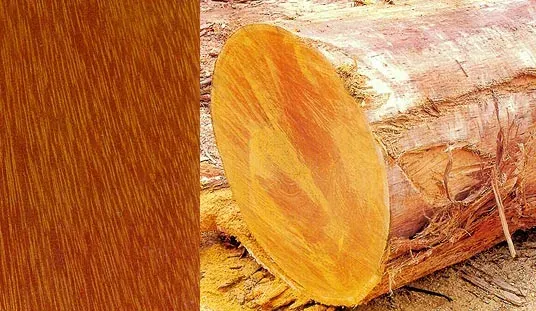
Description
Growing requirements
Bagassa guianensis, commonly known as the cow wood or bagasse, is a significant tree species belonging to the Moraceae family. It is native to the tropical rainforests of South America, including Guyana, Brazil, and Suriname, where it thrives in humid conditions.
The tree grows remarkably large, reaching heights of up to 45 meters, making it a key component of the forest canopy. Its development requires consistent rainfall and high ambient temperatures throughout the year to maintain its rapid growth cycles during the juvenile stage.
Soil requirements for this species are specific, preferring deep, fertile, and well-drained substrates. While it can adapt to various tropical soil types, it performs best in regions where the soil structure allows for deep root penetration without the risk of stagnant water.
Cultivation practices involve creating plantation systems that mimic natural forest gaps, providing enough light for the tree to thrive while protecting it from wind damage. As it reaches maturity, it shows high endurance to environmental shifts, reflecting its adaptation to the rugged Amazonian landscape.
The timber obtained from this tree is highly valued for its exceptional durability and resistance to decay and insect attacks. It serves various purposes, from heavy construction to the manufacturing of high-quality durable furniture and boat building.
Main diseases and pests
The primary threats to Bagassa guianensis involve habitat loss due to large-scale deforestation in the Amazon basin. This fragmentation disrupts the reproductive cycle of the species, reducing its natural population density and genetic diversity.
Pathogens, particularly wood-decay fungi, represent a significant threat to mature trees. These fungi usually enter the tree through damaged bark caused by animal activity or previous storms, leading to structural instability of the wood over time.
Insect pests, such as wood-boring beetles, can weaken the cambium layer, leading to reduced growth rates in plantations. Integrated pest management strategies are often necessary in high-density cultivation areas to monitor and control beetle populations effectively.
Soil erosion and nutrient depletion in over-exploited areas also negatively impact the tree's development. Ensuring sustainable land use practices is essential to preserve the soil health required for the long-term growth of this species.
Prevention of these threats relies on rigorous plantation management and strict adherence to reforestation protocols, ensuring the resilience of the species against both biological and environmental stressors.