
Tucum
Astrocaryum vulgare Mart.
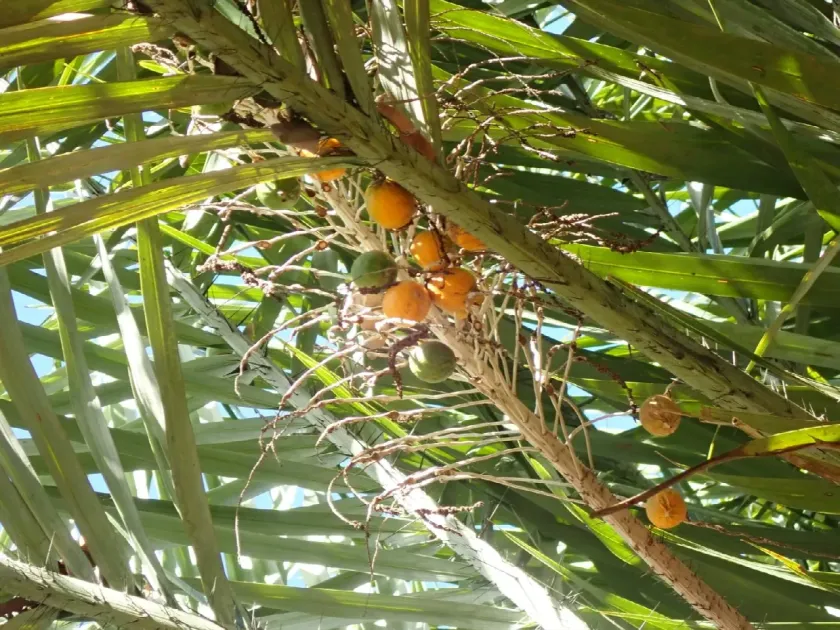
Description
Sowing dates
Propagation of Astrocaryum vulgare is primarily conducted through seeds. The seeds possess a prolonged dormancy period, necessitating scarification of the hard outer shell to facilitate and accelerate the germination process.
Seeds should be sown in a well-draining, nutrient-rich substrate with high organic content. The optimal temperature for germination is between 28–32 degrees Celsius, maintained alongside high humidity levels to simulate its native tropical environment.
Seedlings develop slowly, focusing on root system establishment during the first few months. Using individual containers allows for better monitoring of growth and ensures that the plants are robust before being transplanted into the soil.
Protecting young plants from direct sunlight is crucial in the initial stages. Using shading nets prevents dehydration and helps maintain the moisture balance required for the formation of the first sets of true leaves.
Transplanting to the permanent plantation site should occur once the seedlings reach a height of 40–50 cm. This size ensures better establishment and resilience against environmental stressors in an open field setting.
Growing requirements
Tucum is a member of the Arecaceae family and is native to the humid tropical forests of South America. The crop thrives best in areas characterized by high humidity and the absence of a distinct cold season.
The plant demonstrates significant adaptability to various soil types, including the poorer sandy or loamy soils typical of the Amazon region. However, deep, well-drained soils with slight acidity provide the best conditions for growth.
As a light-demanding species, Tucum requires open spaces to reach its full productive potential. Excessive shading during the mature stage can significantly decrease flowering intensity and overall fruit production rates.
The crop is highly tolerant of temporary flooding, an evolutionary trait acquired in riverine ecosystems. Despite this, persistent waterlogging should be avoided to prevent root rot and other moisture-related diseases.
The temperature requirement is strict regarding frost resistance; even brief exposure to temperatures below 10 degrees Celsius can cause severe tissue damage, stunt growth, or even kill the plant in extreme cases.
Yield
The yield of Tucum is determined by the number of fruit clusters produced per palm annually. These fruits are drupes, typically harvested in large bunches that can weigh several kilograms.
The oil extracted from the pulp and the kernels is a high-value product. The industrial yield depends on the age of the plantation, soil fertility, and the implementation of proper agronomic management practices.
Productive fruiting generally begins 4–6 years after planting, with the plant capable of maintaining consistent yields for several decades. Proper care and nutrient management can significantly optimize the fruit mass per tree.
Harvesting should be timed to match the full biological maturity of the fruits, characterized by a bright orange-red coloration. Early harvesting leads to lower oil quality and reduced levels of essential fatty acids.
The yield per hectare is considered significant, making Tucum a promising crop for tropical agriculture. Integrated plantation management ensures sustainable output and economic viability for local farmers.
Main diseases and pests
The primary threats include fungal diseases that flourish in conditions of excessive moisture and poor air circulation within the canopy. Regular monitoring and strategic thinning of foliage are necessary to mitigate these risks.
Insects, particularly weevils, pose a major threat as they can bore into the trunk and damage the growing point of the palm. Proactive inspection and the use of integrated pest management are critical for plant survival.
Mites and scale insects often infest the underside of the leaves, weakening the tree by sap extraction. These infestations can also serve as entry points for secondary bacterial or fungal infections that damage the vascular system.
Wild animals, including rodents and birds, frequently damage fruits on the trees. Proper fencing of the plantation area is recommended to reduce post-harvest losses and ensure the quality of the raw material.
Physiological disorders, such as nutrient deficiencies (e.g., magnesium or potassium), often manifest as leaf chlorosis. Regular soil testing and balanced fertilization are essential to prevent these common nutritional issues.
Harvesting
Harvesting Tucum is a challenging task due to the presence of sharp spines covering the trunk and leaves of the palm. Specialized tools are used by harvesters to carefully detach the fruit clusters without damaging the tree.
Fruits are harvested manually as they reach maturity. Protecting the fruit's integrity is vital, as mechanical damage to the skin triggers oxidation processes, which degrade the quality of the oil stored within the pulp.
Post-harvest processing involves cleaning the fruit bunches and separating the seeds from the mesocarp. Modern processing facilities often automate these tasks to increase efficiency and maintain the quality of the extracted oil.
Transporting harvested material must be swift, as high temperatures in tropical regions promote rapid spoilage of the fruit. Immediate on-site primary processing is often the most effective way to preserve value.
The harvesting schedule is often continuous throughout the year in equatorial zones. Efficient labor management is required to ensure that all mature bunches are collected at the peak of their quality.