
Austrocephalocereus
Austrocephalocereus
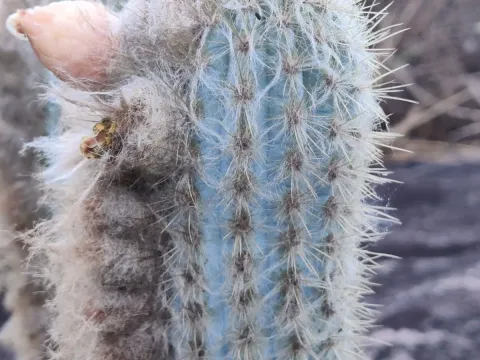
Austrocephalocereus is a genus of columnar cacti belonging to the Cactaceae family. These plants are native to the rocky habitats of Brazil, specifically in the states of Bahia and Minas Gerais, where they have evolved to withstand arid and semi-arid environmental conditions.
What the section contains

Austrocephalocereus
The culture requires high levels of solar radiation to maintain its structural integrity. In an agronomic setting, providing full sun exposure is essential, as shaded plants will develop elongated, weak, and chlorotic stems that cannot support their own weight.
Regarding climate, the plant thrives in warm, stable conditions with temperatures ranging from 25 to 30 degrees Celsius during the growing season. A cool, dry rest period is mandatory during the winter months, with temperatures kept between 12 and 15 degrees Celsius to trigger natural biological cycles.
The soil requirement is stringent: the substrate must be highly inorganic, gritty, and porous to allow rapid water drainage. Standard garden soils are unsuitable, as they retain moisture for too long and prevent the necessary aeration of the root system.
Irrigation practices must prioritize the total drying of the substrate between water applications. Excess moisture in the root zone is the primary cause of failure in cultivating this genus, leading to physiological stress and rapid decay of succulent tissues.
The most significant pathological threat to Austrocephalocereus is root rot caused by fungal pathogens such as Pythium or Phytophthora. These organisms proliferate in wet, poorly ventilated soils, attacking the base of the stem and causing irreversible damage.
Mealybugs are the most common pests that affect these cacti. They often hide within the dense woolly hairs of the cephalium, making manual removal difficult. Their presence can be identified by the white, cottony substance they produce on the stem surface.
Spider mites are another pest that thrives in dry conditions. They pierce the epidermis of the cactus to extract fluids, which can lead to unsightly scarring and weaken the plant, making it more susceptible to opportunistic secondary infections.
Effective management involves a combination of environmental control, such as improving air circulation, and the judicious use of systemic pesticides or acaricides when infestations reach an economic threshold.
Regular monitoring of the root system and base is crucial. Any signs of softening or discoloration should be addressed immediately through surgical removal of infected tissues followed by the application of antifungal treatments to contain the spread.