
Lemon myrtle
Backhousia citriodora F. Muell.
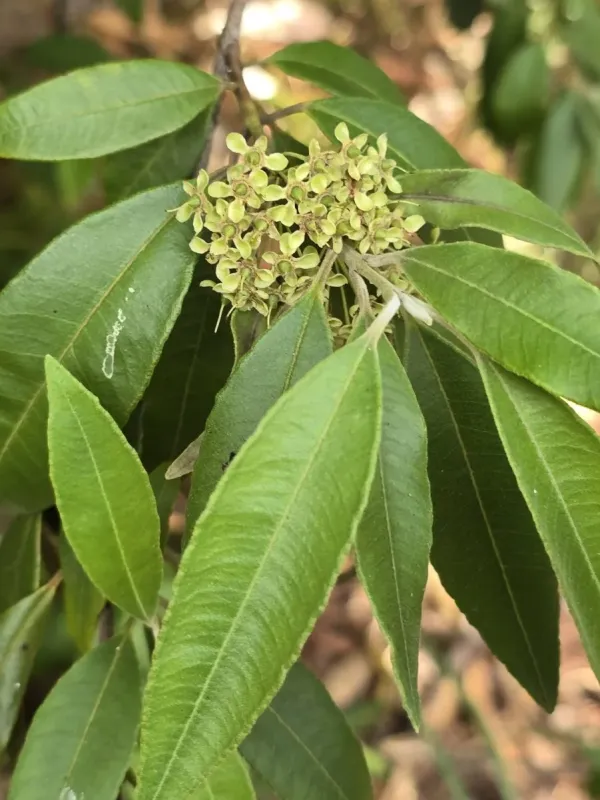
Description
Growing requirements
Lemon myrtle (Backhousia citriodora) is a flowering plant in the Myrtaceae family, native to the subtropical rainforests of central and south-eastern Queensland, Australia. It is highly valued for its intense lemon-scented leaves.
The plant thrives in warm, humid climates and is sensitive to frost. When cultivated commercially, it requires a protected site with deep, fertile, and well-drained loamy soils to prevent root diseases.
Optimal growth depends on consistent moisture throughout the growing season. However, waterlogging must be strictly avoided, as the root system is prone to hypoxia and fungal decay in stagnant conditions.
For the best production of essential oils, especially citral, full sunlight is required. While young plants can tolerate partial shade, mature trees perform significantly better in open, sunny locations.
Agrotechnical management includes regular fertilization to support leaf growth. Nitrogen-rich fertilizers are essential in the early stages, but should be balanced with micronutrients to ensure oil quality.
Main diseases and pests
Common threats include leaf spot diseases and rusts, which can be detrimental if humidity remains high for extended periods. Good ventilation within the orchard is the most effective preventative measure.
Pests like scale insects, whiteflies, and mealybugs can infest the foliage, sucking sap and promoting the growth of sooty mold, which reduces the photosynthetic capacity of the leaves.
Management involves biological controls and careful monitoring. The use of broad-spectrum pesticides is generally avoided to maintain the organic status required for high-quality food-grade essential oil.
Pruning is critical not only for harvesting but also for disease control. By thinning the canopy, growers allow sunlight and air to reach the inner branches, preventing the microclimates that pathogens favor.
Soil health is paramount in managing potential threats. Healthy soils support beneficial microbes that compete with harmful fungi, enhancing the natural resistance of the plants.
Harvesting
Harvesting of lemon myrtle leaves is usually conducted by pruning branches. This practice serves a dual purpose: gathering high-value foliage and shaping the tree for easier future maintenance.
The harvest timing is dictated by the oil accumulation cycle. Leaves are typically picked when the essential oil concentration is at its peak, often during periods of warm and stable weather.
Post-harvest handling requires rapid drying to preserve the volatile citral compounds. Drying in shaded, ventilated racks is preferred to prevent the degradation caused by UV light and excessive heat.
The primary economic use is the distillation of essential oils for the fragrance, food, and cosmetic industries. Lemon myrtle oil is globally recognized as the highest natural source of citral.
In addition to oil, the dried and ground leaves are widely used as a premium culinary herb in teas, seasonings, and baked goods, making it a highly profitable crop for specialized agriculture.