
Sweet Bursaria
Bursaria spinosa Cav.
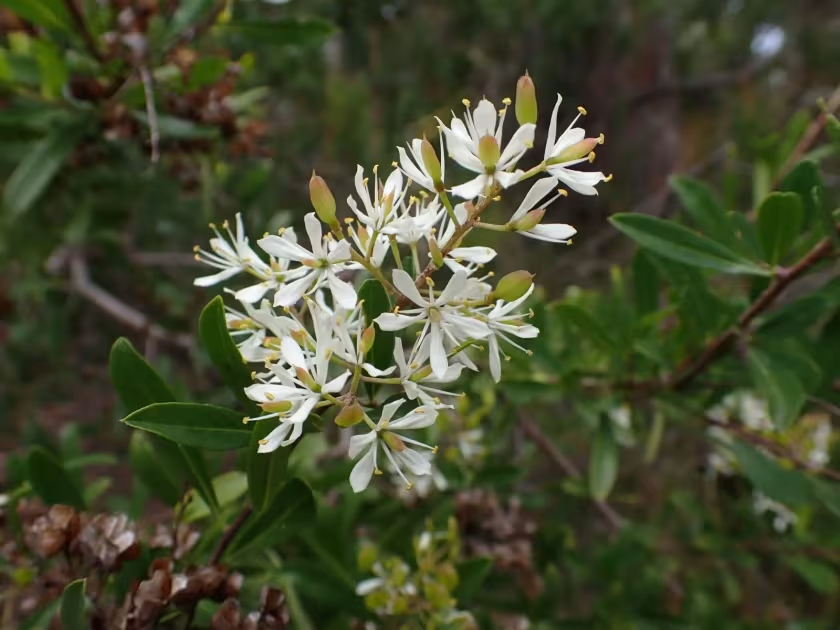
Description
Sowing dates
Sweet Bursaria is typically propagated through seeds or cuttings. Seeds usually require a period of cold stratification to break dormancy and ensure a high germination rate when sown in spring.
For best results, seeds should be sown in a well-draining seed-starting mix. Maintaining consistent moisture is essential, but overwatering must be avoided to prevent seed rot before emergence.
Cuttings are taken from semi-hardwood growth during the active growing season. Using rooting hormones can significantly increase the success rate of propagation for this species.
Young plants should be kept in a protected environment until they develop a robust root system, after which they can be gradually hardened off before transplantation into the open field.
Spacing between plants should be carefully considered based on the intended use, such as whether it will serve as a solitary feature or a dense hedgerow.
Growing requirements
As a member of the Pittosporaceae family, Bursaria spinosa is native to Australia. It is a highly resilient shrub known for its ability to thrive in a wide range of environmental conditions.
The plant prefers full sun to partial shade, showing high tolerance for different light levels. It is also exceptionally drought-tolerant once established, making it suitable for water-wise landscaping.
Soil requirements include excellent drainage. While it can tolerate various soil types, including sandy or stony soils, it performs poorly in waterlogged conditions where root health is compromised.
Regarding climate, the plant is adaptable but appreciates protection from severe frost when young. Mature shrubs are capable of enduring more extreme temperature fluctuations.
Nutrient requirements are relatively modest. Occasional feeding with a balanced, slow-release fertilizer during the active growing season is generally sufficient for healthy development.
Yield
The primary economic and ecological value of Sweet Bursaria is its significant contribution to beekeeping. The shrub produces an abundance of nectar, making it a vital food source for bees during the summer months.
The honey produced from this plant is well-regarded for its unique flavor and light appearance, which is highly appreciated by consumers and artisanal producers.
Bursaria spinosa serves an important role in native habitat restoration, providing nectar, food, and shelter for local pollinators and various small bird species throughout the year.
As a decorative element, it acts as an effective living barrier. Its thorny branches provide security and privacy when planted as a dense hedge, offering functional benefits beyond its aesthetic appeal.
Yield stability is dependent on environmental factors, particularly rainfall in the spring, which influences the vigor of the plant and the subsequent abundance of flowers.
Main diseases and pests
Major threats to Sweet Bursaria include fungal diseases such as root rot, which are often caused by poor drainage or excessive humidity in the root zone. Ensuring good air circulation is key to prevention.
Pests like aphids and scale insects can infest young foliage, stunting growth and reducing the plant's overall nectar production capacity. Monitoring is essential during the early stages of growth.
Integrated pest management strategies are recommended, focusing on maintaining plant health through proper watering and avoiding overcrowding, which can encourage the spread of pests.
Mechanical damage to branches should be addressed promptly by pruning to prevent opportunistic infections from taking hold in damaged plant tissue.
- Regular inspection of leaves and stems
- Prevention of water stagnation
- Strategic pruning for air circulation
- Use of bio-pesticides when necessary
- Soil enrichment to boost plant immunity
Harvesting
In the context of beekeeping, the harvest involves the collection of honey produced from the nectar gathered by bees during the summer flowering period.
Post-flowering maintenance is crucial for the shrub's health. Pruning dead or diseased branches helps the plant allocate resources efficiently for the next growing season.
When used as a hedge, regular trimming is required to maintain the desired shape and density. This is best done shortly after the main flowering event has concluded.
Sanitation of gardening tools is a standard practice to prevent the transmission of any latent diseases between individual plants during pruning activities.
Proper post-flowering care ensures that the plant remains vigorous and productive, guaranteeing that it remains a reliable asset for future honey production cycles.