
Aulacomnium androgynum
Aulacomnium androgynum
Description
Sowing dates
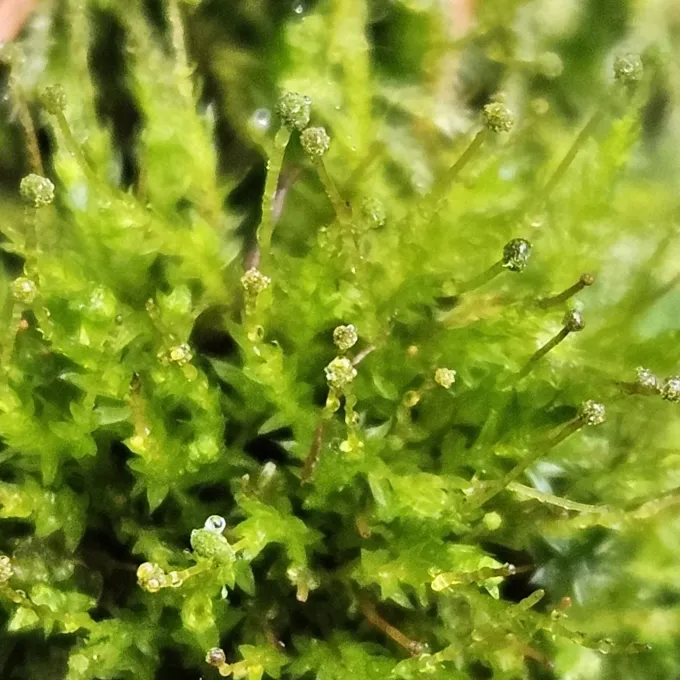
Aulacomnium androgynum, commonly known as bud-headed moss, primarily propagates vegetatively. The species is characterized by the production of distinctive gemmae (brood bodies) located on specialized stalks at the tips of the shoots, which serve as the main reproductive units for cultivation.
The establishment of a new colony begins with the preparation of a suitable substrate. A mixture of pulverized conifer bark, peat, and activated charcoal provides an ideal environment that mimics the moss's natural decaying wood habitat.
Fragmentation is the standard method for initial sowing. Small tufts or individual gemmae are pressed gently into the moist substrate surface. Ensuring a high level of physical contact between the plant tissue and the substrate is essential for successful rhizoid establishment.
Initial development requires a controlled environment with high ambient humidity, often managed through misting systems or closed glass containers. This phase is critical to prevent desiccation before the moss gains sufficient surface coverage.
Full establishment typically takes three to six months depending on environmental stability. Once the moss forms a dense mat, it exhibits better resilience and can be introduced into broader decorative or ecological settings.
Growing requirements
This species belongs to the Aulacomniaceae family and thrives in cool, shaded environments. It is naturally adapted to forest floors and decaying logs, requiring consistent moisture and protection from temperature extremes.
The substrate must maintain a slightly acidic pH (4.5 to 6.0). Mineral nutrition is minimal; the moss is highly sensitive to the accumulation of salts found in tap water, making distilled or rainwater the only recommended sources for irrigation.
Temperature management is vital, with an optimal range between 15°C and 22°C. Excessive heat exposure leads to rapid loss of turgor and potential mortality of the gametophyte tissue. Proper air circulation is required to prevent stagnant, humid air pockets.
Light requirements are low; the species prefers filtered or indirect light. Exposure to direct sunlight causes photo-oxidative stress, resulting in the yellowing or browning of the stems and the death of the brood bodies.
Air humidity should ideally be kept between 80% and 90%. In indoor settings, such as terrariums, regular ventilation is necessary to prevent the buildup of gasses and to regulate the moisture cycle.
Yield
The economic and decorative yield of Aulacomnium androgynum is determined by the speed of mat formation and the vibrancy of the colony. It is highly valued in the hobbyist market for terrarium design and vertical landscaping.
High-quality production is achieved by maintaining steady environmental parameters that favor vegetative growth. A dense, uniform carpet of bright green moss is considered the standard for premium-grade botanical products.
Management of the moss bed involves periodic trimming to maintain density and prevent encroachment by other unwanted bryophytes or algae. The product's value is derived from its ability to retain moisture and provide a natural, aesthetic ground cover.
The crop is ready for harvest once the substrate is fully obscured by a cohesive mat of moss. This stage indicates that the colony is sufficiently mature to withstand harvesting and re-establishment processes.
In industrial greenhouse settings, yield is optimized through controlled climate units that allow for year-round production, limited only by the biological growth cycle of the moss.
Main diseases and pests
The most significant threat to cultivated beds is the development of opportunistic fungi and mold, favored by high humidity and poor ventilation. Remediation involves immediate removal of infected sections and the use of approved, moss-safe fungicides.
Invertebrate pests, including soil mites and nematodes, can damage the rhizoid system. Pre-planting sterilization of the growing media is the most effective preventative measure against these threats.
Competitive species, particularly blue-green algae, can quickly colonize the surface of the moss, creating a biofilm that inhibits gas exchange. Reducing light intensity and adjusting the watering frequency can help mitigate algal outbreaks.
Mineral salt deposits from improper water sources can accumulate on the shoot tips, leading to stunted growth and reduced ornamental appeal.
- Grey mold infections in enclosed setups.
- Desiccation due to failure of automatic misting systems.
- Competition from invasive bryophytes.
Harvesting
Harvesting involves the careful extraction of moss mats from the growth substrate. By utilizing precise tools, growers can remove the top layer while preserving the lower portions of the stems to facilitate rapid regeneration.
After removal, the material undergoes a cleaning process to remove debris. This delicate operation ensures that the gemmae-bearing stalks remain intact, as they are essential for the subsequent propagation cycle.
Transportation is carried out in humidity-controlled containers to prevent the moss from drying out during transit. Maintaining the integrity of the mat is crucial for end-user satisfaction.
Post-harvest storage should occur in a cool, semi-shaded environment. Keeping the moss at temperatures around 15°C ensures viability for several weeks before final sale or application.
Quality grading is based on color uniformity, density of the mat, and the absence of extraneous organic matter or unwanted plant species.