
Chinese Aucuba
Aucuba chinensis
Description
Growing requirements
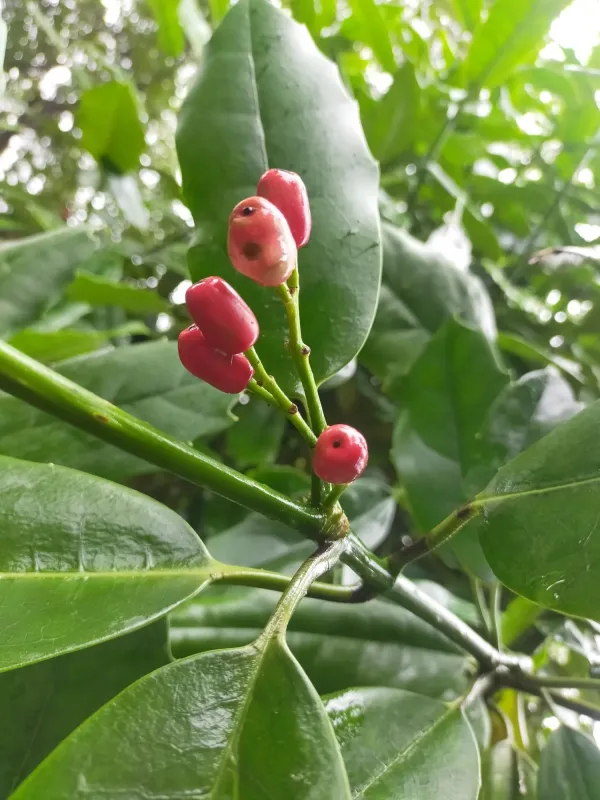
The Chinese Aucuba, botanically known as Aucuba chinensis, is a member of the Garryaceae family. Native to the forest regions of China and Taiwan, this evergreen shrub is prized for its lush foliage and adaptability to woodland environments where light is filtered and moderate.
This species requires partial to full shade to maintain its optimal health. In its natural habitat, it thrives in the understory of forests, so direct afternoon sun should be strictly avoided as it causes leaf scorch and discoloration, compromising the plant's aesthetic appeal.
Soil requirements for the Chinese Aucuba involve a well-draining, nutrient-rich medium with a neutral to slightly acidic pH. The plant performs best in loam-based mixtures that retain enough moisture for root development while preventing waterlogging, which is a major stress factor.
Climate conditions must be temperate, as the plant is not fully frost-hardy in all regions. It prefers moderate temperatures throughout the year and is often grown as a container plant in cooler climates, moved to protected areas or conservatories during the colder winter months.
Agricultural care for this ornamental plant includes consistent watering, ensuring the soil remains moist but never saturated. During the growing season, a balanced fertilizer applied every few weeks helps promote vigorous shoot growth and maintains the glossy quality of the evergreen leaves.
Main diseases and pests
Common pests affecting Aucuba chinensis include scale insects and mealybugs, which often hide in the crevices of stems or on the undersides of leaves. Regular cleaning and the use of horticultural oils are effective control methods to manage these infestations early.
Root rot is a significant threat typically caused by poor soil drainage or overwatering. Once the root system is compromised, the shrub displays wilting and black spots on the foliage, necessitating a complete change of substrate and pruning of affected roots to save the plant.
Spider mites can become a problematic issue during periods of low humidity, especially in indoor environments or during hot, dry summer months. Increasing air humidity through misting or using targeted acaricides can prevent significant damage to the leaf tissue.
Fungal infections, such as leaf spot, can develop if the plant is subjected to poor air circulation and excessive moisture on the foliage. To mitigate this risk, it is essential to space plants properly and ensure that the leaves dry out adequately after watering or rainfall.
Physiological disorders, such as stunted growth or leaf edge necrosis, are usually clear indicators of nutrient imbalances or improper light exposure. Addressing these environmental factors through proper monitoring and adjustment of the growing site can restore the plant's natural beauty.