
Korean Atractylodes
Atractylodes koreana
Description
Sowing dates
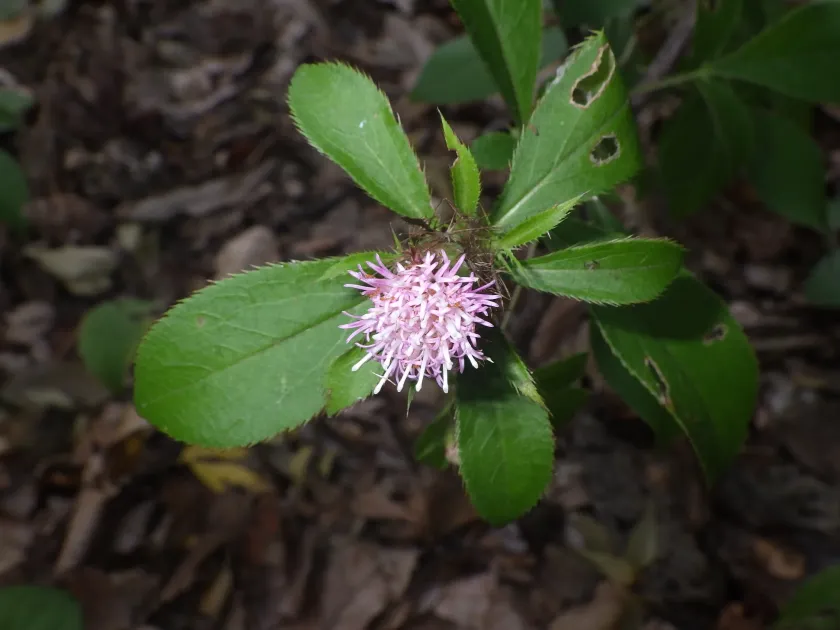
Korean Atractylodes (Atractylodes koreana) is a perennial herbaceous plant belonging to the Asteraceae family. It is primarily cultivated for its rhizomes, which are highly valued in traditional medicine. Planting is typically conducted in the spring or late autumn using seeds that have undergone stratification to ensure optimal germination rates.
For large-scale production, the seedling method is preferred over direct seeding. Starting plants in greenhouse conditions ensures a uniform stand and protects young shoots from early competition with weeds. Seedlings are ready for transplanting when they reach a height of 10–15 cm.
The spacing between rows should be maintained at 40–50 cm, with individual plants placed 25–30 cm apart. This layout allows for adequate air circulation and root expansion, which are essential for producing high-quality, dense rhizomes.
Soil preparation is a critical prerequisite for success. The field must be deep-plowed, cleared of perennial weeds, and amended with organic matter to improve soil structure. Well-drained, fertile soil is vital, as the plant is susceptible to root rot if water stagnation occurs.
Post-planting care involves consistent weeding and shallow cultivation between rows to maintain soil aeration. Careful attention must be paid to ensure that the delicate roots are not disturbed during these operations, as any damage can retard growth and introduce pathogens.
Growing requirements
This crop thrives in temperate climates with moderate rainfall. While it shows good winter hardiness, in regions with harsh, snowless winters, mulching is recommended to protect the root system from freezing and to maintain consistent soil moisture levels during the early growth stages.
Soil quality significantly impacts the chemical composition of the rhizomes. Atractylodes prefers sandy loam or loamy soils with a pH between 6.0 and 7.0. Soils with high organic content are preferred, as they provide the necessary nutrients for robust rhizome development.
The plant requires full sun to partial shade for optimal development. Exposure to adequate sunlight is essential for the photosynthesis of the foliage, which in turn fuels the accumulation of active compounds in the rhizomes. Excessive shading will result in stunted root growth.
Watering requirements are moderate but must be consistent. The soil should remain moist but not waterlogged. In dry seasons, irrigation is necessary, particularly during the active growing phase. Proper drainage is the most important factor in preventing physiological stress in the plants.
Fertilization programs should focus on balanced NPK ratios. While nitrogen promotes early vegetative growth, phosphorous and potassium are crucial in the later stages to stimulate rhizome maturation and increase the density of secondary metabolites within the plant tissue.
Main diseases and pests
Fungal diseases, specifically Fusarium wilt and root rot caused by Phytophthora species, are the primary biological threats to Atractylodes. These diseases are often triggered by poorly drained soil or excessively humid conditions, necessitating strict moisture management.
Soil-borne pests such as wireworms and white grubs can cause significant damage by feeding on the rhizomes. These injuries not only reduce yield but also facilitate secondary bacterial and fungal infections. Preventive soil treatment is highly recommended before planting.
Aphids and spider mites may infest the aerial parts of the plant, especially during hot, dry spells. These pests sap the plant's energy and reduce its photosynthetic capacity. Integrated pest management strategies should be employed to control these outbreaks effectively.
Routine inspection of the fields is necessary to detect early signs of infestation. Removing and destroying affected plants immediately is a standard practice to prevent the spread of pathogens throughout the plot, maintaining the health of the overall crop.
Maintaining high sanitary standards in the field, including the removal of debris after harvest, helps to break the disease cycle. Crop rotation is also essential, and Atractylodes should not be planted in the same field for several consecutive years.
Harvesting
Rhizomes are harvested during the second or third year of growth. The ideal time for harvesting is in the autumn, when the aerial parts of the plant begin to wither and turn yellow, signaling that the energy reserves have fully moved into the roots.
Mechanical harvesters or manual digging tools are used to lift the rhizomes from the soil. Care must be taken to minimize skinning or breakage of the roots, as intact rhizomes are less prone to mold and have a higher commercial value.
Post-harvest processing involves washing the roots to remove all soil and debris, followed by trimming off the lateral rootlets. This primary cleaning stage must be performed efficiently to prevent the start of enzymatic browning or decay.
Drying is a critical step to ensure long-term stability. The roots should be dried in a well-ventilated area or a temperature-controlled drier at 45–50 degrees Celsius. Higher temperatures may lead to the degradation of essential volatile oils that determine the quality of the product.
Once dried, the rhizomes should be stored in cool, dark, and dry conditions. Properly processed and stored Atractylodes will maintain its pharmacological potency for up to two years, making it ready for processing into herbal remedies or extracts.