
Atractylodes japonica
Atractylodes japonica
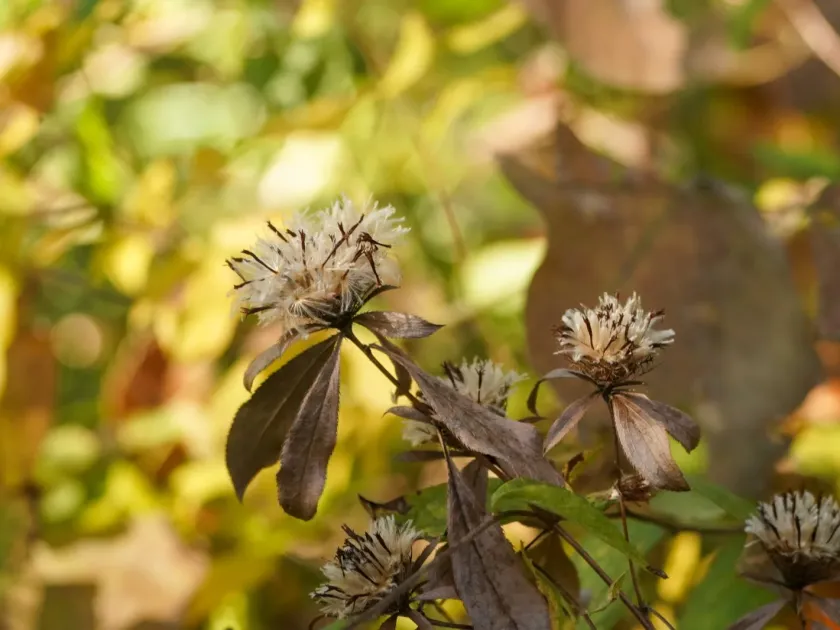
Description
Sowing dates
Atractylodes japonica is a perennial herb belonging to the Asteraceae family, widely cultivated for its therapeutic rhizomes. Sowing is typically carried out in spring when the soil temperature consistently reaches 10–12°C.
Seeds are sown at a shallow depth of 1–2 cm, as they require light and oxygen for optimal germination. Proper seedbed preparation is essential to ensure uniform emergence across the field.
For better control over plant density and early development, many producers opt for greenhouse-grown seedlings. These are transplanted to open fields once the risk of spring frost has completely passed.
Spacing is critical for the development of healthy rhizomes. Typically, rows are spaced 40–50 cm apart, with individual plants placed at 30 cm intervals to allow adequate space for root expansion.
Weed management during the first few weeks is crucial. Atractylodes plants grow slowly initially and can be easily outcompeted by aggressive weeds, necessitating frequent manual or light mechanical weeding.
Growing requirements
This crop thrives in well-lit areas but benefits from partial shade during the peak heat of the afternoon. It is native to temperate regions of East Asia, including Japan, Korea, and China.
The ideal soil is fertile, loose, and well-drained. Heavy clay soils must be avoided as they inhibit root growth and significantly increase the risk of fungal decay in the rhizomes.
Adequate soil moisture is necessary throughout the growing season. While the mature plant shows some drought tolerance, consistent watering is required to achieve the desired rhizome yield and quality.
Soil pH should ideally be neutral or slightly acidic. Proper drainage systems, such as raised beds or well-prepared ridges, are recommended to prevent waterlogging during periods of high rainfall.
Nutrient management focuses on balanced fertilization. Organic matter incorporation before planting provides a steady supply of nutrients, while supplemental potassium helps in the development of robust rhizomes.
Yield
The primary economic product is the dried rhizome, which is harvested after 3 to 4 years of growth. This period allows the plant to accumulate optimal concentrations of bioactive compounds.
Typical yields for well-managed fields range from 1.5 to 2.5 metric tons of dried rhizome per hectare. Achieving these figures depends on soil conditions, variety selection, and consistent field maintenance.
The pharmaceutical industry highly values Atractylodes japonica for its medicinal properties, including anti-inflammatory and tonic effects. The content of essential oils, particularly atractylon, is the main quality indicator.
Market demand is driven by both traditional medicine practitioners and the modern pharmaceutical sector, which uses the crop in various herbal formulations and supplement products.
Sustainability in production is maintained through careful harvesting practices and post-harvest handling that preserves the chemical integrity of the raw plant material for long-term storage.
Main diseases and pests
Root rot is the most significant disease affecting the crop, often triggered by poor drainage or excessive soil moisture. Preventive measures include proper field leveling and the use of healthy planting stock.
Powdery mildew can affect the foliage during humid conditions, reducing the plant's photosynthetic capacity. Fungicide applications and proper plant spacing to improve air circulation are effective control methods.
Wireworms are among the most common soil-borne pests that damage the rhizomes directly. Managing these pests often involves crop rotation strategies and maintaining soil health to prevent infestation.
Aphids can appear during the early growth stages, sucking sap from leaves and weakening the plant. Monitoring and early intervention are essential to prevent secondary infections and plant stress.
Integrated Pest Management (IPM) practices, such as encouraging natural predators and timely cleaning of crop debris, help reduce the reliance on synthetic chemicals in the production process.
Harvesting
Harvesting occurs in late autumn, once the aerial parts of the plant have naturally withered. This timing ensures that the energy reserves are concentrated within the rhizomes rather than the stems.
Rhizomes are carefully excavated to minimize breakage. After harvesting, the material is thoroughly washed to remove soil particles and small, non-viable rootlets without damaging the main structure.
Post-harvest cleaning must be swift to prevent spoilage. Any bruising or remaining soil can lead to microbial growth, which degrades the quality and reduces the market value of the crop.
Drying is performed in controlled environments at temperatures below 45°C. This temperature threshold is critical to ensure that volatile compounds and essential oils are not lost during the dehydration process.
Once dried, the rhizomes are sorted, graded, and packaged in moisture-proof containers. Proper storage in a cool, dark, and dry place ensures the final product remains stable for the required shelf life.