
Astydamia latifolia
Astydamia latifolia
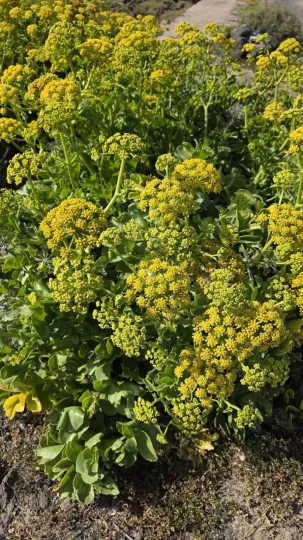
Description
Sowing dates
Astydamia latifolia is a distinctive member of the Apiaceae family, specialized for survival in harsh coastal environments. Its life cycle is evolved to respond to seasonal rainfall, which reduces soil salinity and triggers seed germination, ensuring the next generation starts during optimal conditions.
When cultivating this species, seeds should undergo stratification to break dormancy. Sowing must be performed in a light, sandy medium that ensures perfect drainage, as these plants are highly sensitive to soil compaction and moisture saturation.
The ideal planting time is early spring, providing the plants with a long growing season. Maintaining a temperature range between 18 and 22 degrees Celsius is crucial to encourage steady root development and emergence of healthy seedlings.
Given the plant's fragile root structure, it is recommended to start seeds in individual biodegradable pots. This strategy minimizes root disturbance during the transplanting phase, which is essential for ensuring successful establishment in the field.
Spacing is a vital agronomic factor. Keeping a distance of 30 to 40 centimeters between plants promotes air circulation, significantly reducing the risk of humidity-related issues that often affect fleshy-leafed plants in dense plantings.
Growing requirements
As a natural halophyte, Astydamia latifolia thrives in saline environments, such as coastal sandy soils. It requires full sunlight exposure, as even minor shading can lead to elongated, weak stems and lower overall vitality of the crop.
The soil must be well-aerated and possess excellent drainage properties. While the plant can tolerate salt concentrations that would kill most crops, it appreciates a consistent moisture level in the root zone during the early stages of its development.
Regarding water management, while the plant is drought-resistant, supplementing with fresh water during dry spells promotes more succulent leaf growth. This is particularly important for commercial production where biomass yield is a primary objective.
Fertilization should be managed carefully. Over-application of nitrogenous fertilizers can make the leaves overly tender and susceptible to pathogens. A balanced, low-concentration mineral solution with essential micronutrients is generally sufficient for healthy growth.
Environmental stability is preferred. The plant is adapted to coastal breezes, so good natural ventilation is essential. High humidity combined with stagnant air can cause the succulent tissues to break down, leading to rapid rot and crop loss.
Main diseases and pests
The primary threat to Astydamia latifolia is root and crown rot, typically caused by fungi such as Pythium. This is almost always a result of poor soil drainage or excessive watering, making water management the most important control measure.
Pests such as spider mites may become problematic in greenhouse settings, particularly if the air is dry and warm. Integrated pest management, focusing on maintaining natural predators and optimal humidity, is preferred over chemical applications.
Leaf-eating insects can cause significant damage to the fleshy foliage. Regular monitoring is necessary during the vegetative phase to catch infestations early, allowing for mechanical removal before they escalate to a level requiring intervention.
Nutrient imbalances, particularly iron or magnesium deficiency, can occur if the soil pH becomes too alkaline. Monitoring pH levels and using appropriate soil amendments can prevent these physiological disorders and maintain plant vigor.
The overall health of the crop relies on preventive sanitation. Removing plant debris from the base of the crop and ensuring tools are clean before use prevents the spread of pathogens, which is critical for long-term site sustainability.