
Astroloba spiralis
Astroloba spiralis (L.) Uitewaal
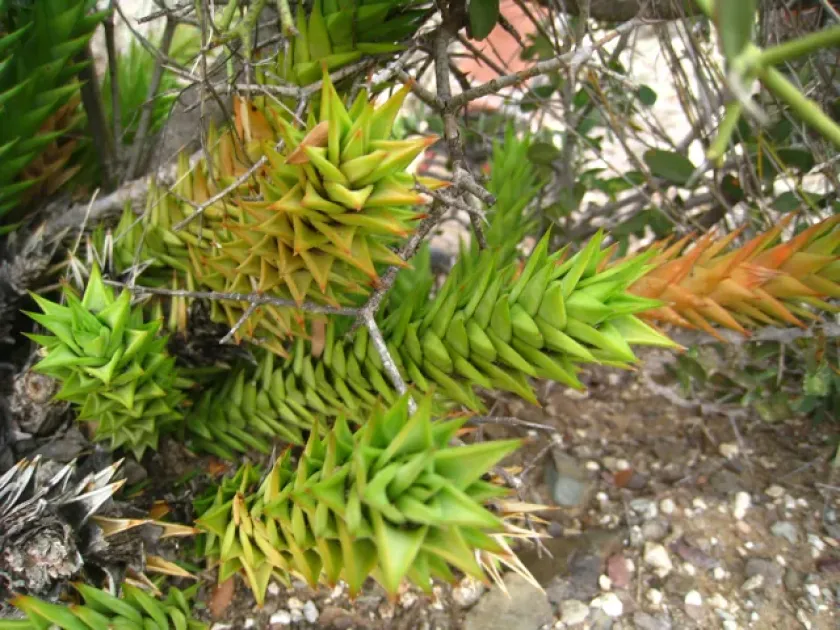
Description
Growing requirements
Astroloba spiralis is a fascinating succulent species belonging to the Asphodelaceae family, endemic to the arid regions of the Cape in South Africa.
The plant is characterized by its distinct spirally arranged, triangular leaves that grow into a dense, vertical column, reaching heights of up to 20 centimeters.
It thrives in bright, filtered sunlight. Excessive direct exposure during the summer peak can scorch the leaves, while insufficient light leads to etiolation and loss of structural integrity.
Cultivation requires a highly porous and inorganic soil mix. A standard mix should consist of 50 percent grit or coarse sand and 50 percent free-draining succulent potting soil.
Temperature management is crucial; the plant performs best in a range of 20 to 25 degrees Celsius during the growing season and requires a dry, cool rest period during winter.
Main diseases and pests
Root rot is the most common threat to Astroloba spiralis, typically caused by overwatering or poor drainage that leaves the root system sitting in stagnant water.
Mealybugs are the primary pest concern, often hiding in the deep axils between the tightly packed leaves where they are difficult to reach with standard surface sprays.
Spider mites can also become a problem in very dry, stagnant indoor air, causing fine webbing and damage to the succulent's surface epidermis.
Preventative measures include maintaining good airflow, proper spacing between plants, and keeping the crown of the plant dry at all times during watering.
If an infestation occurs, manual removal with a cotton swab dipped in alcohol or the use of systemic insecticides is recommended for effective long-term control.