
Curly Mitchell grass
Astrebla lappacea (Lindl.) Domin
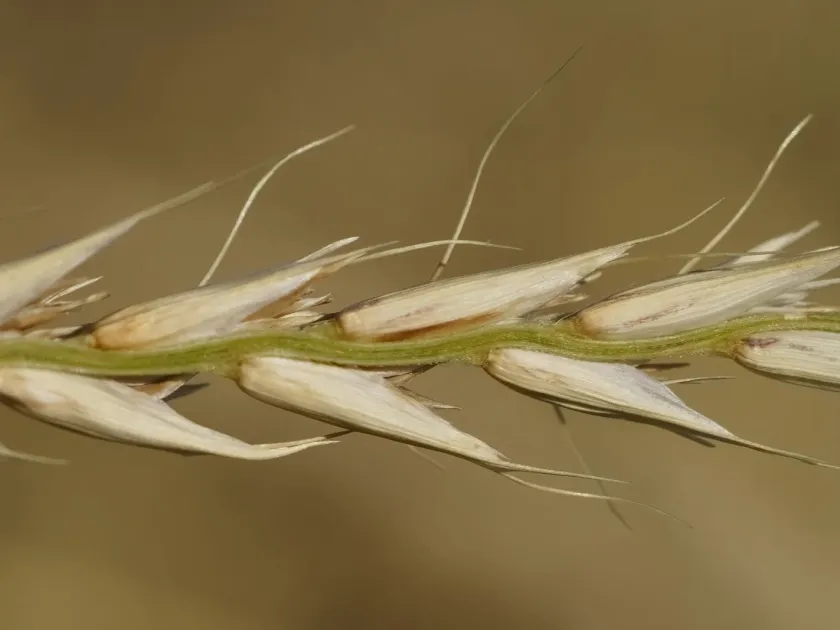
Description
Sowing dates
Curly Mitchell grass (Astrebla lappacea) is a robust perennial bunchgrass belonging to the Poaceae family. It is a vital component of native grasslands in Australia, known for its extreme resilience and ability to dominate heavy clay soils in arid and semi-arid environments.
Sowing typically coincides with the onset of the summer rainfall season. The seeds require warmth, generally above 20 degrees Celsius, and adequate moisture to initiate germination. Once established, the grass develops a deep and complex root system that facilitates survival during prolonged drought.
When implementing restoration projects, seeds are sown at a shallow depth to ensure optimal contact with the soil. Competition from invasive species must be strictly controlled during the first year of growth, as the seedlings of Curly Mitchell grass are relatively slow to establish compared to other grasses.
The biological structure of the plant allows it to remain dormant during harsh conditions and rapidly resume growth when moisture becomes available. This regenerative capacity makes it one of the most reliable forage sources in drought-prone regions.
Agricultural practices for sowing involve preparing the seedbed to maintain soil structure while ensuring minimal disturbance. Success depends on selecting the right timing to capture the peak moisture period of the season.
Growing requirements
Curly Mitchell grass thrives in heavy textured clay soils, particularly grey and brown vertisols. These soil types are excellent for retaining moisture in the subsoil, which is critical for the long-term survival of the plant during extended dry spells.
The climate requirements for this species include high sunlight exposure and an ability to tolerate extreme temperatures. While it excels in hot arid climates, it is also hardy enough to withstand the light frosts that occur in its native range.
Proper management of the pasture is essential to ensure long-term productivity. Rotational grazing is highly recommended to prevent soil compaction and to allow the plant to replenish its carbohydrate reserves in the root crowns.
Soil fertility requirements are generally low, as the plant is adapted to the nutrient levels found in native arid regions. However, in degraded soils, strategic application of nitrogen may assist in initial establishment or recovery efforts.
The management of salinity is important in areas with high evaporation rates. Curly Mitchell grass is reasonably tolerant of varying soil chemistry, but maintaining good hydrological balance prevents the build-up of salts in the root zone.
Yield
The yield of Curly Mitchell grass is primarily determined by the quantity and distribution of rainfall throughout the growing season. In favorable years, it produces a significant amount of biomass, offering high-quality forage for sheep and cattle.
Nutritional value is highest during the active growth phase, providing essential nutrients for grazing livestock. Even in its dry state, the standing hay is highly valued for its fiber content, which helps maintain cattle health throughout the winter months.
Consistent yield depends on sustainable grazing intensities. Research indicates that keeping at least 30-40% of the leaf cover allows for continuous regeneration and preserves the health of the pasture for future seasons.
Typical biomass production ranges from 1 to 2 tonnes of dry matter per hectare under natural conditions. In managed environments or improved grazing systems, this productivity can be enhanced through careful timing of grazing intervals.
Combining Curly Mitchell grass with other native forage species can optimize the overall protein content of the diet. This biodiversity-based approach ensures a more resilient ecosystem and stable livestock weight gain.
Main diseases and pests
The primary threats to the species include fungal infections, particularly rust and various leaf spot pathogens, which can occur during humid periods. While these are usually manageable, significant outbreaks can reduce overall photosynthesis and plant vigor.
Pest populations, especially locusts and grasshoppers, present a constant threat in arid regions. Large swarms can defoliate entire pastures in a short period, necessitating vigilant monitoring and localized intervention.
Invasive weed species compete aggressively for limited moisture in the upper soil profile, often choking out the establishment of new Mitchell grass seedlings. Controlling these invaders is critical for maintaining pasture composition.
Overgrazing remains the most significant anthropogenic threat to the species. Persistent heavy grazing exhausts the root energy stores, leading to plant death and increased susceptibility to erosion and desertification.
Recommended mitigation strategies include:
- implementing flexible stocking rates based on rainfall;
- monitoring for pest outbreaks early;
- preventing overgrazing during flowering stages;
- maintaining soil cover to prevent surface erosion.