
Asterogyne martiana
Asterogyne martiana
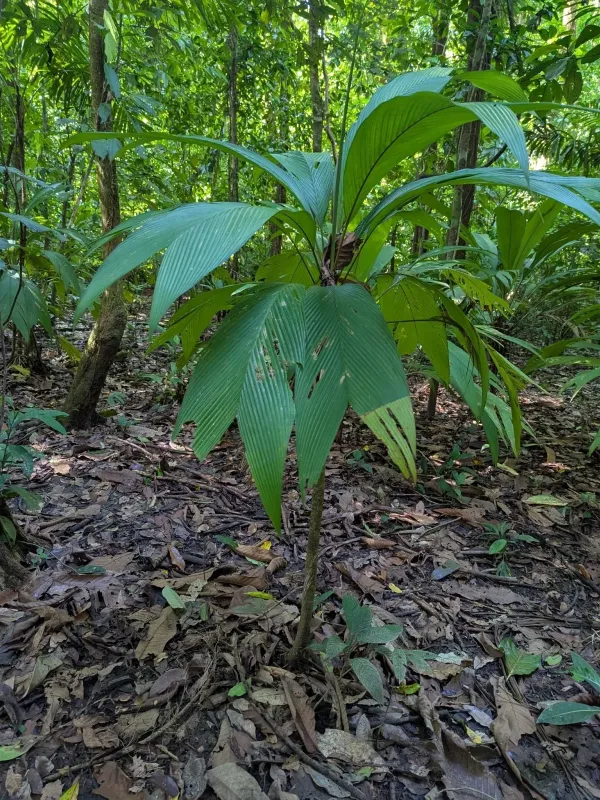
Description
Growing requirements
Asterogyne martiana is a palm species belonging to the Arecaceae family, native to the tropical rainforests of Central and South America. It typically thrives in the forest understory, preferring shaded, humid environments.
To successfully cultivate this palm, maintain temperatures between 22°C and 28°C. It is highly sensitive to cold drafts and sudden thermal fluctuations, which can cause significant damage to the foliage.
Humidity is paramount for the health of Asterogyne martiana. In indoor settings, keeping the air moist through humidifiers or regular misting is essential to prevent the leaf tips from browning.
The potting medium must be porous, well-draining, and rich in organic matter. A mixture consisting of peat, leaf mold, and coarse sand or charcoal is highly recommended for optimal root health.
Indirect, filtered light is the best exposure for this species. Direct sunlight will burn the delicate leaves, causing unsightly brown patches and potentially weakening the entire plant structure.
Main diseases and pests
Spider mites are the most common pests encountered when cultivating this species, especially in environments where air humidity is allowed to drop below recommended levels.
Scale insects can pose a persistent threat, adhering to the stems and leaf bases. Monitoring these areas closely is necessary for early detection and manual removal or treatment.
Root rot is a major risk associated with poor drainage or overwatering. If the roots remain in a saturated, anaerobic soil mix for an extended period, the plant may collapse rapidly.
Fungal leaf spot diseases may appear if there is poor airflow around the foliage. Ensuring adequate ventilation helps to mitigate the risk of pathogen accumulation.
Prevention involves maintaining good horticultural hygiene, checking the soil moisture before each watering session, and ensuring the plant remains dust-free through regular wiping.