
Ascarina lucida
Ascarina lucida
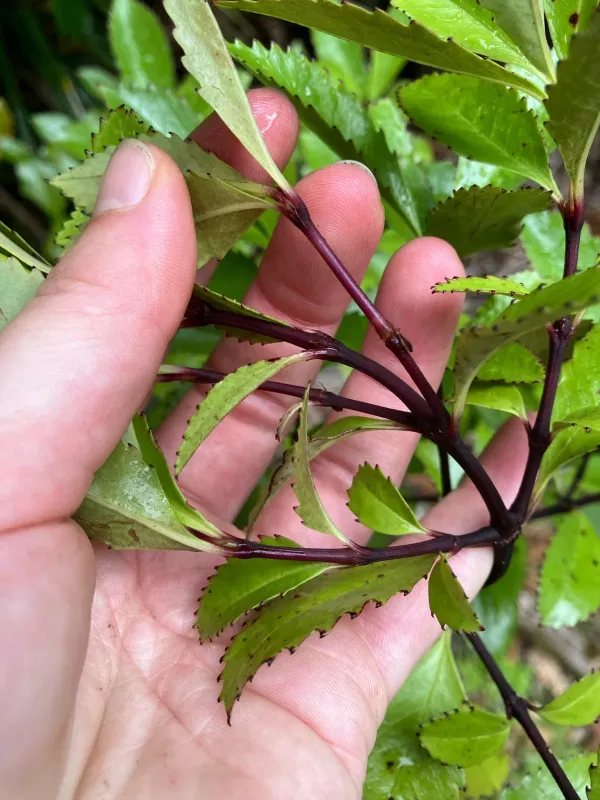
Description
Growing requirements
Ascarina lucida belongs to the Chloranthaceae family and is an endemic species native to New Zealand. Known locally as hutu, it is an evergreen tree or large shrub that thrives in temperate rainforests, often appearing in the understory where it benefits from high air humidity.
Botanically, the plant is characterized by its glossy, serrated leaves and a relatively slow growth rate. It produces small, inconspicuous flowers, which are typical for its family, and it is primarily appreciated for its unique foliage and elegant structure in natural habitats.
For successful cultivation, Ascarina lucida requires rich, well-draining soils with a slightly acidic to neutral pH. It prefers a shaded or semi-shaded location, as intense direct sunlight can scorch the delicate leaves and disrupt the plant's moisture balance.
The plant has strict climate requirements, favoring mild, humid conditions typical of maritime climates. It is sensitive to frost and extreme heat, meaning its cultivation is typically restricted to sheltered gardens or controlled environments like greenhouses.
While not a staple agricultural crop, Ascarina lucida is cultivated in botanical gardens and for ornamental purposes. It serves as an important subject for ecological research, helping scientists understand the biodiversity and plant evolution in the New Zealand region.
Main diseases and pests
The primary threats to the health of Ascarina lucida include fungal infections that manifest in stagnant, overly wet soil conditions. Ensuring proper air circulation and efficient drainage is essential for preventing root-related diseases.
Pests such as aphids and scale insects can sporadically infest the foliage, especially in confined environments. Monitoring plant vigor and applying mild protective measures are the best strategies to maintain the health of this slow-growing ornamental shrub.