
Arthropteris tenella
Arthropteris tenella
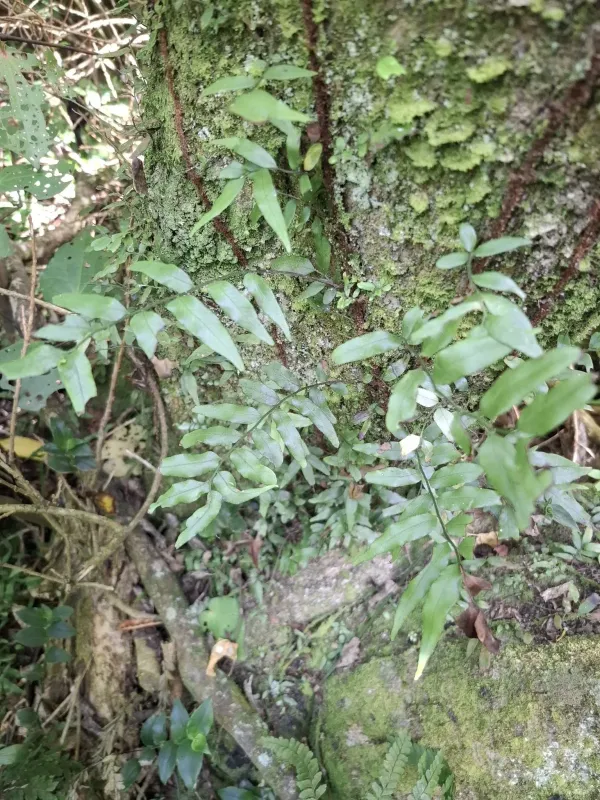
Description
Growing requirements
Arthropteris tenella is a perennial fern belonging to the Lomariopsidaceae family. Native to the moist forests of Australia, New Zealand, and the Pacific Islands, it is commonly known as the jointed fern due to its distinctively jointed stems that creep along substrates.
Cultivation of this species requires strict adherence to humidity levels, ideally maintained between 60% and 80%. It thrives in temperate environments where temperatures remain consistent, ideally ranging from 18 to 24 degrees Celsius throughout the year.
The substrate for this plant should mimic the forest floor composition. A loose, well-draining mix of peat moss, pine bark, and perlite is optimal, ensuring that roots are provided with enough oxygen while moisture remains readily available to the fern's system.
Lighting requirements are specific, as this fern is adapted to the dim light of the understory. Bright, indirect light is necessary for healthy growth, while direct sun exposure should be strictly avoided to prevent chlorosis and tissue necrosis.
Regarding its utility, Arthropteris tenella is primarily utilized in the ornamental horticulture industry. It is highly valued as an indoor container plant or as a component in terrariums and hanging baskets for vertical landscaping projects in subtropical climates.
Main diseases and pests
The primary pests affecting Arthropteris tenella are mealybugs and scale insects. These pests often congregate near the nodes and the undersides of the fronds, requiring mechanical removal or targeted application of insecticidal soaps to maintain plant health.
Root rot caused by Phytophthora or Pythium species is a common threat in poorly drained containers. Over-watering creates an anaerobic environment that favors the development of these soil-borne pathogens, leading to rapid decline of the fern.
Spider mites represent a frequent issue in indoor settings, particularly during winter months when indoor humidity levels drop significantly. These tiny pests pierce leaf cells, leading to a mottled appearance and eventually causing the fronds to drop prematurely.
Nutrient toxicity or deficiency can occur if water quality is poor. As a sensitive plant, it may react negatively to high concentrations of chlorine or fluoride found in municipal tap water, often showing browning at the leaf tips.
Effective management strategies rely on rigorous sanitation and the use of pest-resistant growing media. Regular monitoring for early signs of infestations, combined with balanced fertilization, ensures the long-term vitality of the culture in specialized settings.