
Arthropteris palisotii
Arthropteris palisotii
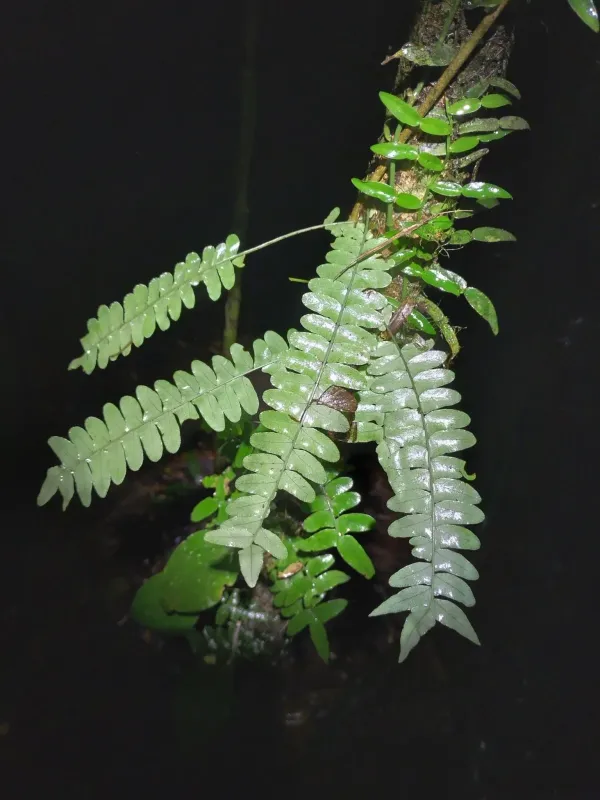
Description
Growing requirements
Arthropteris palisotii is a distinct perennial fern species belonging to the Lomariopsidaceae family. It is widely recognized for its creeping rhizomes and delicate, evergreen fronds that thrive in tropical climates across Africa and Asia.
This species is primarily adapted to high-humidity environments. For successful cultivation, it requires a shaded to semi-shaded location, protecting the foliage from intense, direct solar radiation that could cause leaf desiccation.
The soil requirements involve a well-draining, nutrient-rich substrate. A mix of peat moss, pine bark, and perlite is often utilized to ensure proper aeration and moisture retention, mimicking the natural forest floor or epiphytic niches.
Climate conditions must remain consistently warm. Temperatures below 15°C can cause stress, leading to stunted growth or dormancy, which makes it suitable primarily for greenhouse environments or controlled indoor settings in temperate zones.
In professional horticulture, this plant is valued for its lush texture in floral displays and decorative indoor arrangements. Its hardiness once established makes it a popular choice for specialists in tropical botany.
Main diseases and pests
The primary threats to Arthropteris palisotii involve fungal pathogens linked to poor drainage and waterlogged soil conditions. Root rot is the most common cause of mortality in indoor collections.
Scale insects and mealybugs represent the major pest threats to this crop. These pests congregate under the fronds, where they extract nutrients, leading to yellowing and premature leaf senescence if left untreated.
Spider mites frequently target the plant if ambient humidity levels drop too low. Frequent misting or the use of humidifiers is recommended as a preventative measure to maintain plant vigor.
Cultural hygiene is critical for management. Removing dead fronds and avoiding overhead watering when temperatures are low helps minimize the occurrence of foliar fungal infections.
Integrated pest management (IPM) strategies, including the introduction of natural predators or targeted organic sprays, are preferred over broad-spectrum pesticides to preserve the delicate structure of the fern's foliage.