
Arracacha
Arracacia xanthorrhiza Bancr.
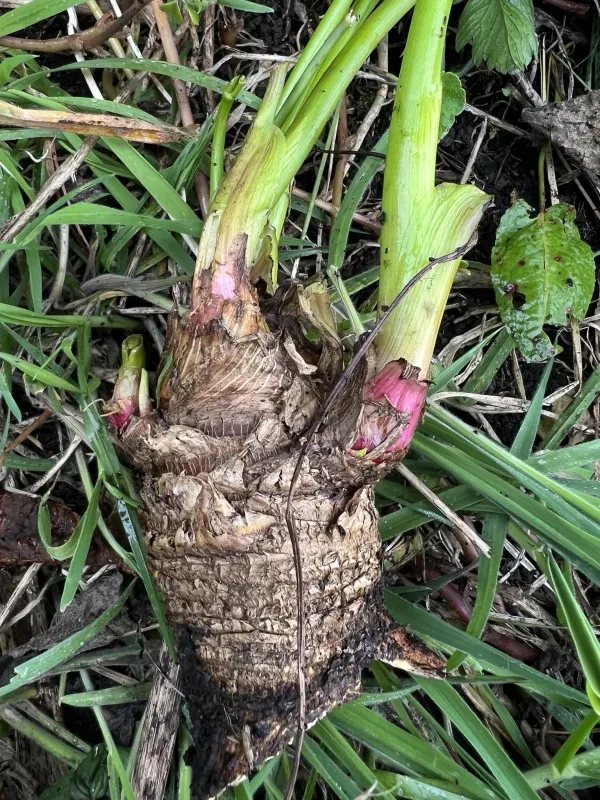
Description
Sowing dates
Arracacha (Arracacia xanthorrhiza) is a perennial root vegetable belonging to the Apiaceae family. In agricultural practices, it is typically cultivated as an annual crop to maximize the production of its flavorful, starchy taproots.
Planting is initiated once the soil has warmed up, as the crop is sensitive to cold temperatures. It is primarily propagated vegetatively using side shoots, known as suckers, which are separated from the healthy mother plant to ensure consistent quality.
Seeds are rarely used for commercial cultivation due to poor germination rates and the time-intensive nature of the process. Consequently, farmers rely on vegetative propagation to maintain the integrity of desirable cultivars.
Proper spacing is essential for plant development, typically ranging between 60 and 80 centimeters apart. This spacing allows for the development of a robust leaf canopy, which is vital for the photosynthetic activity needed for root enlargement.
The crop requires a long growing season, often lasting between 9 to 12 months depending on altitude and climatic conditions. Selecting an appropriate planting date is critical to align the harvest with favorable weather conditions.
Growing requirements
Arracacha thrives in well-drained, loose, and fertile soils rich in organic matter. Heavy clay soils are generally unsuitable, as they restrict root expansion and promote moisture retention, which can lead to root decay.
The ideal environment for arracacha is a cool, tropical climate, typically found at elevations between 1,000 and 2,500 meters above sea level. Consistent temperatures between 15°C and 25°C are optimal for growth.
Water management is crucial throughout the growing cycle. While the plant requires constant soil moisture, irrigation must be carefully controlled to prevent waterlogging, which significantly increases the risk of fungal infections.
The plant responds well to balanced fertilization, with a focus on phosphorus and potassium to encourage taproot development. Nitrogen should be managed carefully to avoid excessive vegetative growth that could come at the expense of root quality.
Wind protection is necessary, as the delicate foliage can be easily damaged. Shelter belts or planting in protected areas can significantly improve the overall plant health and yield of the arracacha crop.
Yield
Yields of arracacha vary depending on the local climate and the intensity of the agricultural management. Under optimal conditions, this crop can produce a significant amount of edible root biomass per hectare.
Harvesting usually occurs 9 to 12 months after planting, when the foliage starts to yellow and wither. This natural decline in the plant's aerial part indicates that the root system has reached its peak physiological maturity.
Commercial yields are often measured by root size and uniformity. Intensively managed crops can produce upwards of 15 to 20 tons per hectare in ideal Andean conditions, where soil volcanic origin provides essential minerals.
Post-harvest efficiency is key to maintaining the high market value of the produce. Because the roots have a thin skin, they are prone to mechanical injury and rapid dehydration if not handled correctly immediately after extraction.
Economic success relies on efficient harvesting and immediate transport to storage or market. The unique taste profile, often described as a blend of celery and roasted chestnut, makes arracacha a high-value niche crop.
Main diseases and pests
Soil-borne pests, particularly nematodes, pose a significant threat to arracacha production by damaging the root system. Effective management includes crop rotation and the selection of disease-free propagation material.
Fungal pathogens such as root rot can develop if the soil is too wet for prolonged periods. Maintaining proper drainage and avoiding excessive irrigation are the primary preventive measures against these infections.
Insects that target the leaves can reduce the plant's photosynthetic capacity, which indirectly impacts the final size of the taproots. Integrated pest management strategies are recommended to keep populations below economic thresholds.
Viral diseases can be spread through contaminated tools used during weeding or harvesting. Strict sanitation of agricultural equipment is essential to prevent the spread of infections between fields.
- Implementing a strict three-year crop rotation cycle.
- Using only certified disease-free suckers for planting.
- Monitoring soil moisture to prevent anaerobic conditions.
Harvesting
Harvesting arracacha is a labor-intensive process that requires careful manual extraction, usually with the aid of garden forks. Mechanical harvesting is often avoided to prevent damage to the fragile taproots.
The ideal harvesting time is during a dry spell. This minimizes soil adhesion to the roots, making them easier to clean and reducing the likelihood of surface rot during post-harvest storage.
Immediate removal of the aerial foliage after harvest is standard practice. Leaving a small portion of the stem helps to protect the crown of the root from mechanical damage while keeping the moisture level regulated.
Storage requires cool and dark conditions to extend shelf life, as the roots are highly perishable. Proper aeration is necessary to prevent the buildup of heat and humidity within storage containers.
Arracacha is widely appreciated in culinary arts for its easy-to-digest starch, making it an excellent base for soups, purees, and gourmet side dishes that cater to both home cooking and professional catering needs.