
Armatocereus laetus
Armatocereus laetus
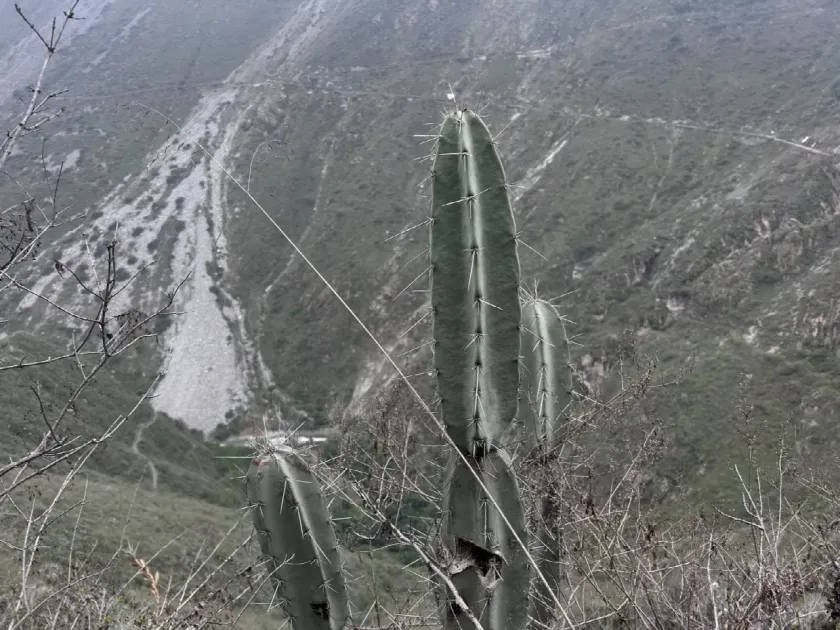
Description
Sowing dates
Propagation of Armatocereus laetus is primarily achieved through seeds, which requires a controlled environment to ensure high germination rates. Seeds should be sown in early spring using a sterile, well-draining substrate composed of sand and perlite.
Optimal germination temperatures range from +22°C to +26°C. Consistent moisture is essential during the initial weeks, but the surface must be kept well-ventilated to prevent the development of damping-off diseases among the seedlings.
Once the seedlings develop their first spines, they can be gradually exposed to lower humidity levels. Careful handling is required during repotting, as young plants are highly susceptible to mechanical damage and dehydration.
In professional nurseries, trays with excellent drainage are utilized to support root development. Providing sufficient space between seedlings helps in preventing the spread of fungal pathogens in the nursery bed.
Cultivating this species from seed is a long-term process, requiring dedication and strict adherence to moisture control protocols. The transition from seedling to mature plant can take several years of specialized care.
Growing requirements
Armatocereus laetus is a member of the Cactaceae family, native to the arid inter-mountain valleys of Peru. It is highly adapted to drought conditions and thrives in environments with intense sunlight and low rainfall.
The substrate must be highly porous; a mix of loam, coarse river sand, and volcanic rock is ideal. This composition prevents root rot by ensuring that water does not remain stagnant in the root zone for extended periods.
Light requirements are very high, as the cactus needs full sun to develop its characteristic structure. In temperate climates, a greenhouse or a sunny location with no shade is mandatory for optimal growth and health.
Temperature management is critical: active growth occurs between +25°C and +35°C. During winter, the plant requires a dormancy period at temperatures around +10°C to +12°C, with almost no irrigation to mimic its natural cycle.
Irrigation should be strictly regulated: the soil must dry out completely between waterings. Excessive moisture, especially during low light or cold temperatures, is the most common cause of plant mortality for this species.
Yield
The economic value of Armatocereus laetus lies in its role as a decorative plant in landscaping and private collections. In suitable climates, it grows into an impressive tree-like specimen that adds architectural beauty to gardens.
While some Armatocereus species produce fruits, the commercial cultivation of A. laetus for food is not common. Its primary utility is within the ornamental and exotic plant trade, targeting cactus enthusiasts worldwide.
Productivity in a nursery setting is measured by the number of healthy, robust specimens ready for sale. Growers often use balanced, low-nitrogen fertilizers to encourage strong tissue development rather than rapid, weak growth.
The plant serves as a unique focal point in desert-style gardens or xeriscaping projects. Its slow growth rate makes it a long-term investment, as established specimens become more valuable with age and size.
Marketing efforts for this plant focus on its rarity and unique morphology. Collectors seek out mature, healthy specimens that display the characteristic features of the species in its natural habitat.
Main diseases and pests
Fungal pathogens represent the most significant threat to Armatocereus laetus. Root rot and stem spots can quickly devastate a collection if moisture levels are not carefully monitored, especially during periods of high humidity.
Mealybugs are the most common pests, often settling in the deep crevices of the cactus ribs. These insects extract sap and weaken the plant, making it prone to secondary infections from sooty mold.
Spider mites can become a problem in excessively dry and poorly ventilated conditions. Their feeding activity leads to discolored, scarred patches on the epidermis, which significantly reduces the plant's aesthetic appeal.
Scale insects can also attach themselves to the stem, consuming sap and protecting themselves with a hard, waxy coating. Mechanical removal combined with systemic insecticides is usually necessary to manage heavy infestations.
Prevention is the best strategy: maintaining proper airflow, avoiding over-irrigation, and regularly inspecting the plants are the foundations of successful cultivation for this species.