
Argyrodendron polyandrum
Argyrodendron polyandrum
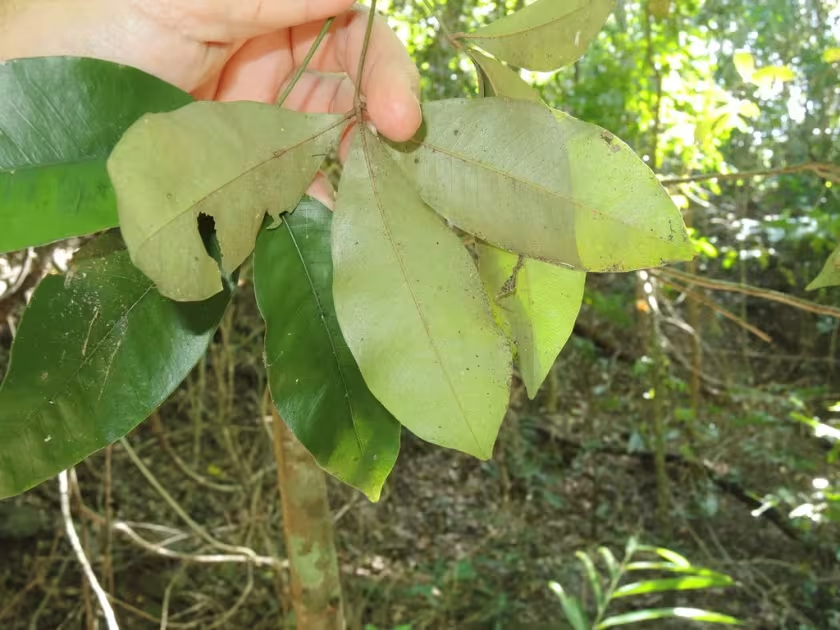
Description
Growing requirements
Argyrodendron polyandrum is a prominent tree species within the Malvaceae family, native to tropical forest ecosystems. It is characterized by its large size and significant structural contribution to the canopy layers where it naturally occurs.
The cultivation of this species requires a strictly tropical climate with high, consistent temperatures throughout the year. It performs best in areas where humidity levels remain high, as these conditions mimic its native environment and support optimal physiological processes.
Soil requirements for this tree include deep, fertile, and well-drained substrates. Excessive soil compaction or waterlogging is detrimental, as the root system requires significant aeration to maintain health and sustain rapid vertical growth.
Botanically, the species is recognized by its complex leaves and numerous stamens within the flowers, which serve as its primary identifier. The winged fruits facilitate long-distance seed dispersal, a critical mechanism for the regeneration of the species in the wild.
Economically, the species is valued for its durable and high-quality timber. It is often incorporated into agroforestry systems, where it helps maintain local microclimates and provides timber yield in a sustainable, long-term management framework.
Main diseases and pests
The primary threats to Argyrodendron polyandrum include various wood-boring insects that can damage the trunk and lower the commercial value of the timber. Integrated pest management strategies are essential to mitigate these risks in managed plantations.
Fungal infections, particularly those affecting the root and lower trunk, often occur in overly humid conditions with poor drainage. Implementing proper site selection and spacing is a fundamental preventive measure against such diseases.
Weed pressure during the seedling establishment phase is a significant limiting factor. Without adequate manual or mechanical control, competing vegetation can quickly overgrow young trees, depriving them of essential light and nutrients.
Environmental stressors, such as extreme seasonal droughts, can impair the tree's health and make it more susceptible to opportunistic pathogens. Supplemental irrigation or mulching can help maintain soil moisture during critical dry periods.
Ongoing monitoring and research into the pest-host interaction remain vital for the continued viability of these trees in commercial forestry, ensuring that the crop remains resilient to emerging ecological threats.