
Red Tulip Oak
Argyrodendron peralatum
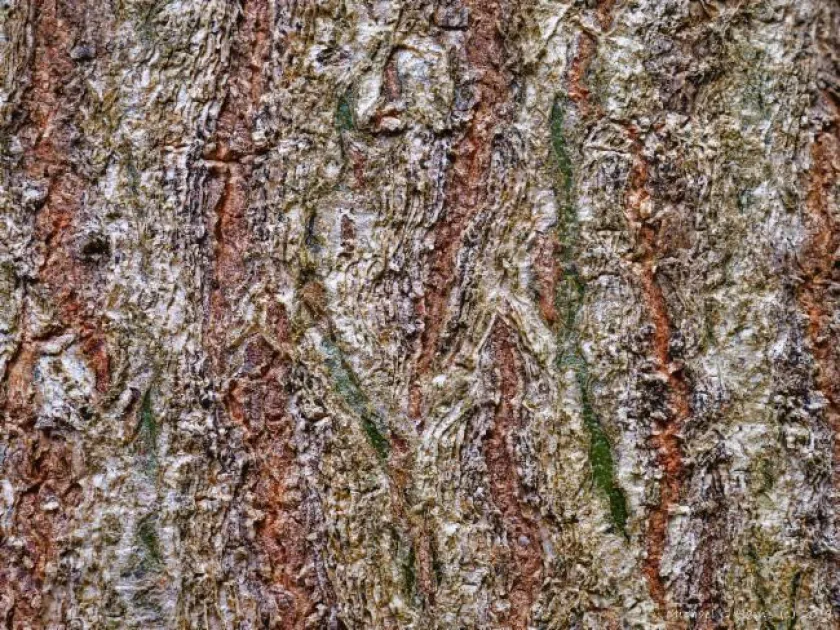
Description
Growing requirements
Argyrodendron peralatum, commonly known as Red Tulip Oak, is a magnificent tree species belonging to the Malvaceae family. This species is native to the high-rainfall tropical rainforests of Queensland, Australia, where it serves as a dominant canopy tree.
The culture thrives in tropical environments that offer consistent warmth and high humidity levels throughout the year. It does not possess any frost tolerance, making site selection critical for successful plantation establishment in temperate-adjacent zones.
Regarding soil requirements, the tree performs best on fertile, deep, and well-drained loams. Volcanic-origin soils are particularly suitable, as they provide the necessary nutrient density and water-retention capacity to support the massive biological demand of the tree.
Botanically, the species is defined by its impressive buttress roots and its complex leaves, which often feature distinct silvery undersides. The fruits are uniquely winged, facilitating wind-based seed dispersal across the forest floor during the reproductive phase.
The economic value of this timber is significant, categorized as a high-quality hardwood. It is prized for its aesthetic appearance, featuring a vibrant reddish-brown color, excellent workability, and high durability, making it perfect for fine furniture and cabinetry.
Main diseases and pests
Fungal pathogens represent the primary threat to the health of young stands, particularly when air circulation is limited or soil drainage is inadequate. Root rot is a common issue if the species is cultivated in waterlogged environments.
Insect pests, such as wood-boring larvae, can damage the structural integrity of the trunks. Integrated pest management strategies are often implemented to monitor and control beetle populations before they cause economic loss to the timber quality.
Climate instability, particularly extended periods of drought, can cause severe stress to the trees, leading to stunted growth and increased susceptibility to opportunistic infections. Maintaining moisture levels is vital for juvenile survival.
Invasive flora and secondary woody growth pose a significant challenge during the initial development years. Without diligent clearing and maintenance, young saplings are easily outcompeted for vital sunlight and essential soil nutrients.
Regular inspections are necessary to identify early signs of nutrient deficiency or localized outbreaks of pests. Maintaining a clear canopy space for each individual tree is a key management practice to ensure long-term health and consistent growth rates.