
Alpine bearberry
Arctous ruber
Description
Growing requirements
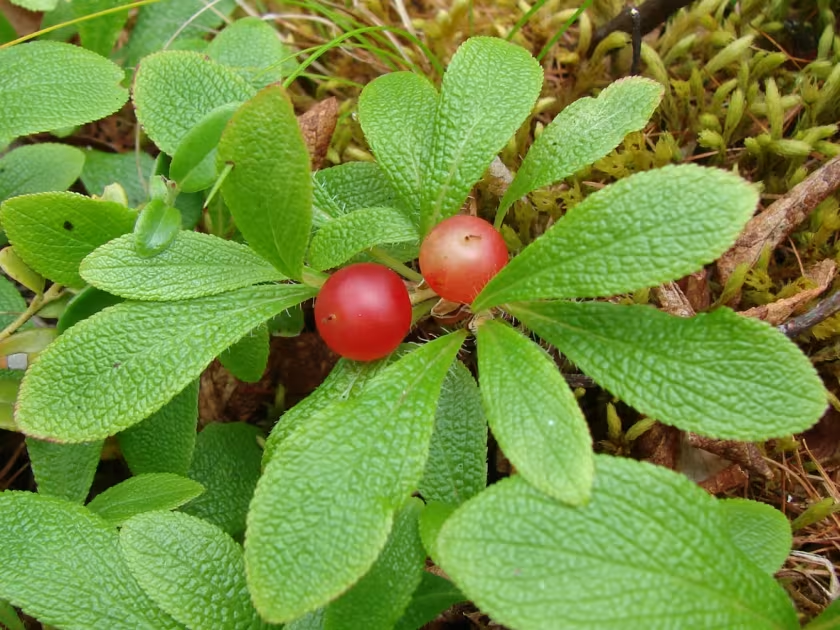
Alpine bearberry (Arctous ruber) is a low-growing shrub belonging to the Ericaceae family, widely known for its vibrant red berries. This species is specifically adapted to cold, northern environments and is highly valued for its resilience.
The native distribution of this plant covers the arctic and subarctic zones of Eurasia and North America. It thrives in stony tundras, open forests, and high-latitude wetlands, where it occupies niches unsuitable for most other agricultural crops.
The plant has strict soil requirements, favoring acidic soils with a pH between 4.0 and 5.0. Effective drainage is essential, as the roots require consistent moisture but cannot tolerate long-term waterlogging or soil compaction.
Climatic requirements involve high resistance to extreme frost and the ability to endure long winter dormancy under snow cover. It prefers locations with sufficient light, though it can tolerate partial shade in understory conditions.
The economic potential of Alpine bearberry lies in its nutritional composition, containing high levels of antioxidants and vitamins. Future cultivation strategies focus on its integration into agroforestry and specialty berry production in northern climates.
Main diseases and pests
The primary threats to this plant are fungal diseases, such as leaf spots and root rot, which typically occur due to improper drainage. Stagnant moisture facilitates the spread of pathogens that damage the sensitive root system.
Pests such as specialized beetles and larvae may occasionally feed on leaves or fruits. However, under typical cold-climate conditions, these threats are generally kept in check by the environment itself.
Maintaining the symbiotic mycorrhizal association is critical for the survival of Alpine bearberry. Disturbance to the soil or the introduction of synthetic fertilizers often kills the beneficial fungi, leading to severe decline in plant health.
Integrated management includes using mulch such as pine needles to replicate natural forest floor conditions. This approach helps in regulating soil temperature and maintaining the necessary acidity levels for the plant.
Regular monitoring of plant vigor is necessary to ensure early detection of any health issues. Protective measures focus on preventative horticulture, avoiding the overuse of chemical pesticides that could disrupt the fragile ecological balance of the site.