
Alexander Palm
Archontophoenix alexandrae
Description
Growing requirements
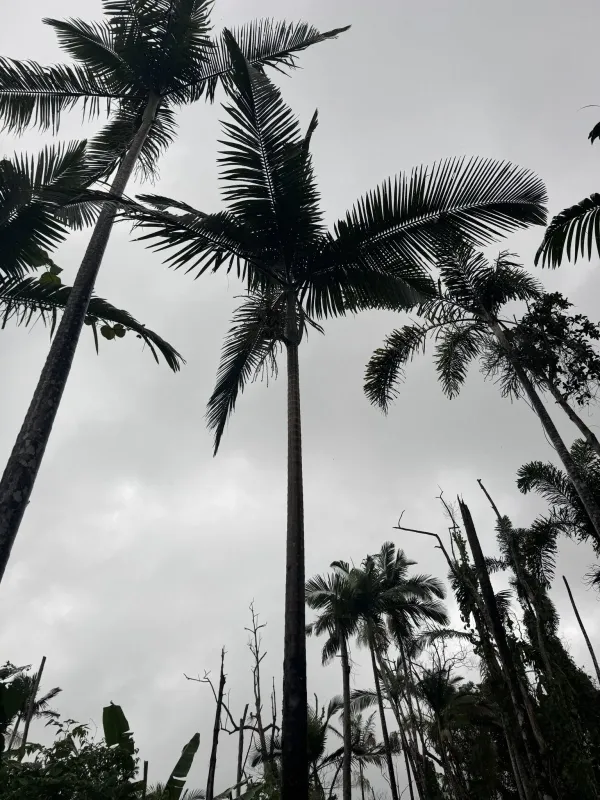
Archontophoenix alexandrae, commonly known as the Alexander Palm, is a slender, fast-growing palm belonging to the Arecaceae family, native to the rainforests of Queensland, Australia.
This species thrives in tropical and subtropical climates, requiring consistent temperatures and protection from cold winds or frost, which can severely damage or kill the plant.
For optimal growth, the palm prefers rich, well-draining soil with a steady supply of moisture, mimicking its natural rainforest habitat along creek banks and low-lying areas.
Light requirements involve bright, indirect sunlight; however, young plants should be protected from harsh, direct sun to prevent leaf scorching and dehydration.
Regular maintenance involves removing old, yellowing fronds to keep the plant aesthetically pleasing and to focus the palm's energy on developing new, healthy foliage.
Main diseases and pests
The primary threats to this palm are root rot caused by waterlogged soil and poor drainage, which can lead to fungal pathogens attacking the root system.
Common insect pests include scale insects and mealybugs, which frequently colonize the fronds and the base of the crown, feeding on plant sap.
Spider mites are a persistent problem in indoor or greenhouse settings where the air is dry, leading to faded or speckled foliage.
Nutrient deficiencies, specifically potassium or magnesium, can manifest as yellowing or necrotic tips on the leaves, requiring targeted soil amendments.
Control strategies for pests include systemic insecticides and regular inspections to catch infestations early before they compromise the structural integrity of the palm.