
Aralidium pinnatifidum
Aralidium pinnatifidum
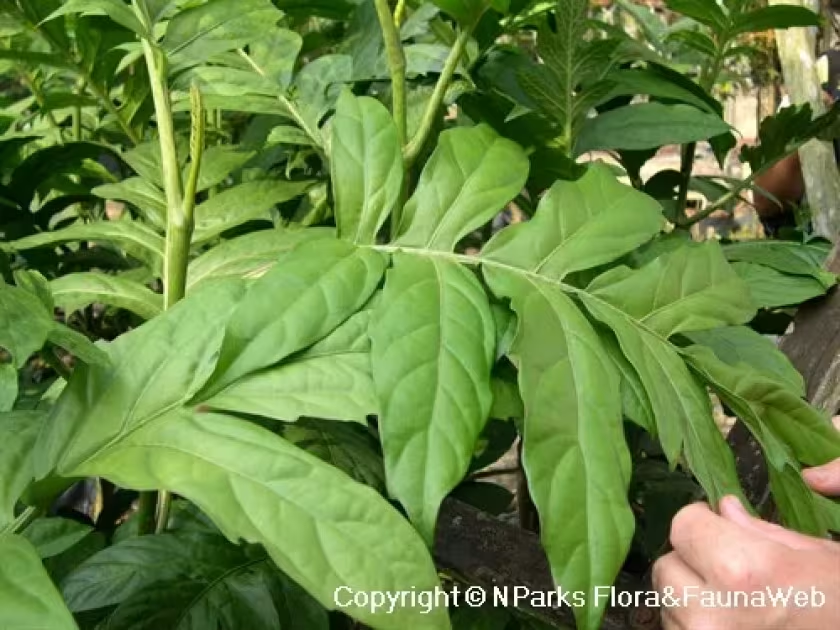
Description
Sowing dates
Aralidium pinnatifidum is a distinct species belonging to the monotypic family Aralidiaceae. It is a perennial evergreen plant typically found in the tropical rainforests of Southeast Asia, specifically inhabiting regions across Malaysia and Indonesia.
Propagation is primarily achieved through seeds, which require careful handling due to their rapid loss of viability. Sowing should occur immediately after harvesting, utilizing a nutrient-rich, well-draining substrate that mimics the organic-rich forest floor.
The optimal germination period coincides with the start of the rainy season, providing the high humidity necessary for development. Seeds should be covered lightly with substrate and kept in shaded conditions to ensure steady, uniform sprouting.
Seedlings require a transition phase before being moved to permanent planting sites. Maintaining a stable environment with consistent moisture levels during the early stages of growth is essential for the establishment of a healthy root system.
In managed agricultural settings, practitioners prioritize protecting young plants from direct exposure to light and wind. The growth cycle is relatively slow, necessitating patience and careful maintenance of environmental parameters.
Growing requirements
This species thrives in a stable tropical climate with temperatures consistently ranging between 22 and 28 degrees Celsius. Exposure to temperatures below this range or cold drafts can cause severe physiological stress and lead to growth cessation.
The soil profile for Aralidium pinnatifidum must be highly porous and rich in decomposed organic matter. A mixture of loam, peat, and coarse sand provides an ideal balance of aeration and water retention, preventing the risk of root rot.
Light requirements are centered on diffused light conditions. Intense direct sunlight can lead to leaf scorch and premature aging of the foliage, so maintaining canopy shade or using shading cloths in greenhouses is highly recommended.
High humidity, ideally ranging between 70% and 85%, is vital for the plant to maintain its structural integrity and leaf turgor. Automated misting systems are often employed in commercial nursery setups to ensure consistent moisture levels.
Fertilization should be applied sparingly, focusing on organic-based nutrients that support slow, steady development. Excessive nitrogen fertilization can lead to soft, weak growth that becomes more susceptible to environmental stressors.
Main diseases and pests
The primary threats to Aralidium pinnatifidum involve soil-borne pathogens, particularly fungal infections like Phytophthora, which thrive in waterlogged conditions. Proper irrigation management is the most effective preventative measure.
Sap-sucking insects, including scale insects and spider mites, are common pests that target the underside of the foliage. These pests can rapidly proliferate in low-humidity environments, requiring consistent monitoring and prompt intervention.
Slugs and snails may present a localized threat to young plants, especially when grown in ground-level beds. Barrier methods, such as copper tape or crushed mineral mulches, are effective in controlling their access.
Poor ventilation within crowded plant populations can exacerbate the risk of mold and bacterial spots on leaves. Ensuring adequate air circulation around the canopy is essential for long-term plant health.
Integrating biological pest control and maintaining a sterile environment during the initial planting stages significantly reduces the need for heavy pesticide usage, ensuring a healthier crop outcome.