
Aralidium dentatum
Aralidium dentatum
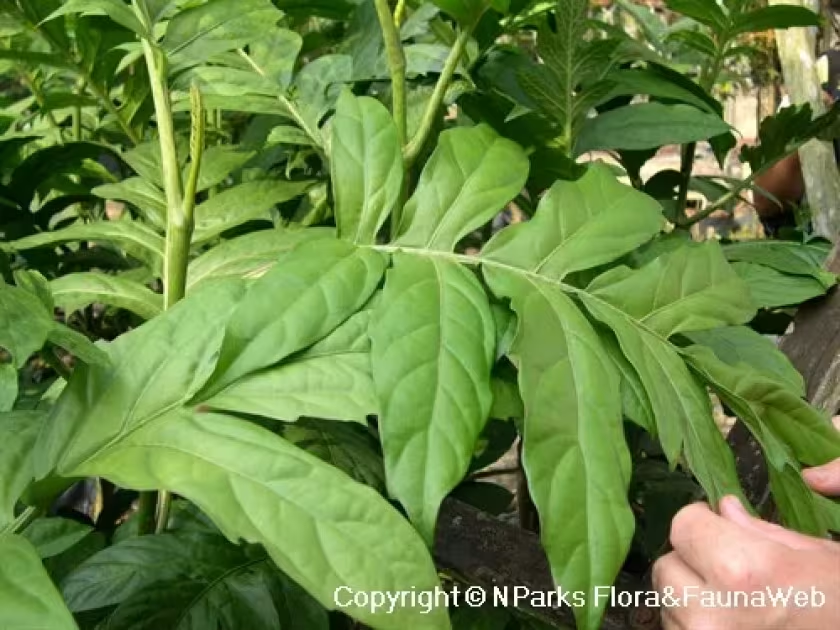
Description
Growing requirements
Aralidium dentatum is a unique tropical plant, representing the only genus within the Torricelliaceae family. In its natural habitat, it is found exclusively in the humid tropical rainforests of Southeast Asia, specifically across the Malay Peninsula, Sumatra, and Borneo.
This species is an evergreen tree or large shrub with distinct botanical features. Its leaves are notably serrated, which is reflected in the specific epithet, while its unique inflorescence structure has long been a subject of interest for plant taxonomists.
For healthy growth, Aralidium dentatum requires conditions that mimic its native environment: high atmospheric humidity, a consistently warm climate without drastic temperature fluctuations, and fertile, well-drained soil typical of forest floors.
The plant is highly sensitive to light intensity. Having evolved in the understory of dense tropical forests, it requires significant shade when cultivated, as direct sunlight can easily damage its foliage and inhibit its slow growth.
Given the rarity of the species, standard agricultural practices do not apply. The plant is not currently cultivated for commercial farming but remains a valuable specimen for botanical gardens and scientific research focused on preserving tropical biodiversity.
Main diseases and pests
The primary threat to Aralidium dentatum is the rapid loss and fragmentation of its natural forest habitats. Deforestation and changes to the soil moisture balance significantly impact the survival of wild populations.
In greenhouse or indoor environments, the plant is susceptible to common tropical fungal diseases caused by poor air circulation or waterlogging in the root zone. Effective drainage systems are crucial to maintain plant health.
Typical pests affecting this culture include tropical species such as spider mites and scale insects. Due to the slow growth rate of the plant, heavy infestations can quickly weaken the specimen and lead to long-term decline.
Root rots are frequently associated with improper substrate moisture levels. Cultivators generally utilize lightweight, porous, bark-based potting mixes to replicate the natural, aerated soil conditions found on the forest floor.
Ongoing health monitoring requires regular inspections of the underside of leaves where pests often hide. Additionally, it is essential to prevent physical damage to the trunk, as open wounds make the plant highly vulnerable to bacterial infections.