
Khat
Catha edulis (Vahl) Forssk. ex Endl.
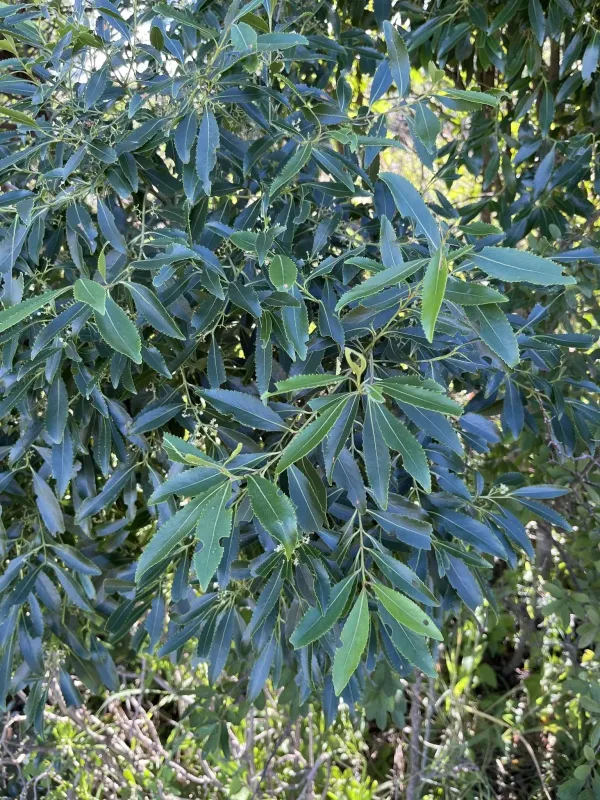
Description
Sowing dates
Propagation of Khat is predominantly achieved through vegetative methods, specifically stem cuttings, due to the short viability period of its seeds.
Cuttings are prepared using semi-hardwood shoots approximately 10–15 centimeters in length, taken during the active growth phase.
Planting in the field is ideally timed to coincide with the beginning of the rainy season to ensure sufficient moisture for establishment.
Commercial plantations typically follow a spacing strategy of 1.5 to 2 meters between plants to ensure optimal resource distribution.
In nursery settings, propagation can occur year-round provided that temperature and light intensity are strictly regulated.
Growing requirements
Khat (Catha edulis) is an evergreen shrub or tree belonging to the Celastraceae family, capable of growing up to several meters in height.
The plant thrives in tropical and subtropical highland climates, typically at elevations ranging from 1,000 to 2,500 meters above sea level.
Well-drained, fertile soil with a neutral to slightly acidic pH is essential for the healthy development of the plant's biomass.
Temperature requirements generally fall between 18 and 28 degrees Celsius, as the plant is highly sensitive to frost and extreme cold.
While known for its drought tolerance, consistent moisture management is required for optimal leaf yield and quality during the growing season.
Yield
Yield capacity is largely determined by the age of the plantation and the quality of horticultural interventions applied by the farmer.
The initial harvestable yield is usually expected 3 to 4 years after the seedlings have been successfully established in the field.
With proper pruning and maintenance, a single Khat bush can remain productive for several decades, making it a long-term agricultural asset.
Annual yields fluctuate based on climatic factors, water availability, and the intensity of pruning cycles implemented during the harvest.
The marketable produce consists of fresh young leaves and succulent terminal shoots, which are harvested in multiple cycles throughout the year.
Main diseases and pests
Fungal diseases are the primary threats to Khat plantations, particularly those triggered by poor soil drainage and excessive ambient humidity.
Root rot represents the most significant agricultural risk, often caused by stagnant water or the failure of field drainage systems.
Insect pests such as spider mites and scale insects can cause significant damage to foliage if their populations are not monitored.
Integrated pest management, including regular scouting and biological control measures, is critical for maintaining healthy plantations.
Removing and destroying infected plant material is an essential sanitation practice to prevent the spread of diseases across the field.
Harvesting
Harvesting is performed manually to ensure the delicate terminal buds and young leaves are not bruised or damaged during collection.
Early morning harvests are preferred to ensure the foliage remains turgid and retains its peak quality during subsequent handling.
Post-harvest processing involves immediate sorting and packaging into ventilated containers to prevent rapid wilting and moisture loss.
The harvest process doubles as a form of pruning, which encourages the development of new shoots and keeps the shrub within manageable dimensions.
Transport logistics must be optimized to ensure rapid delivery to market, protecting the perishable product from direct sunlight and heat.