
Aposeris
Aposeris foetida
Description
Growing requirements
Aposeris foetida, commonly known as stinking aposeris, is a herbaceous perennial plant belonging to the Asteraceae family. This species is the sole representative of its genus and is natively distributed across the mountain regions of Central and Southern Europe.
The plant thrives in moist, shaded environments, typically found in deciduous forests. In a cultivation setting, it requires loose, organic-rich soil with a neutral to slightly acidic pH, which must maintain consistent moisture levels without becoming waterlogged.
Climate requirements involve moderate temperatures, avoiding extreme heat or arid conditions. The plant is well-adapted to the temperate climate of European foothills, showing significant resilience to seasonal temperature fluctuations throughout the year.
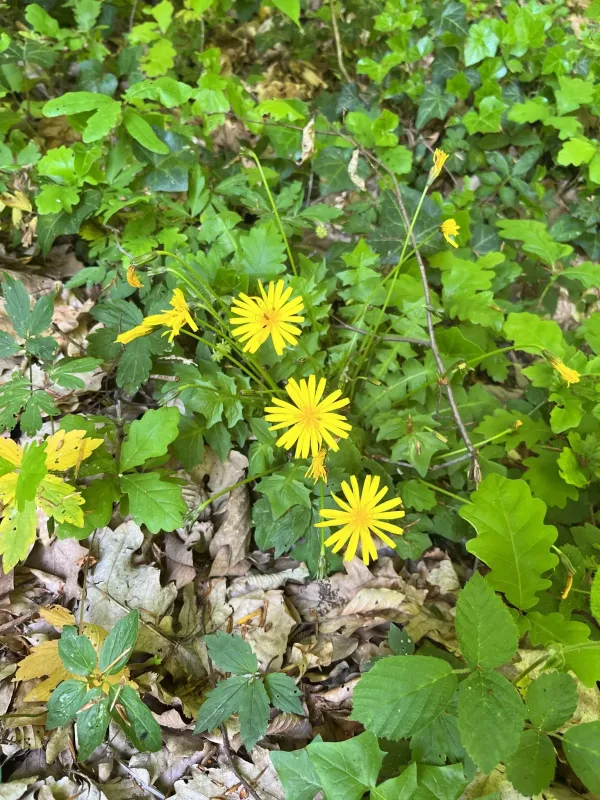
Botanically, the species is characterized by a rosette of deeply lobed basal leaves and solitary yellow flower heads mounted on leafless stalks. It is distinguished by a strong, peculiar scent, which is a key identifying trait of the plant in its natural habitat.
The agricultural potential of Aposeris foetida is found in its niche use as an edible plant. Historically, its young leaves and roots have been incorporated into traditional culinary practices, offering a unique flavor profile that appeals to those interested in foraging and rare wild greens.
Main diseases and pests
The primary threats to this culture are slugs and snails, which can significantly damage the succulent foliage of the plant. High humidity levels, while beneficial for growth, often create ideal conditions for these pests to proliferate.
Aphid infestations present a persistent challenge, especially during the active growth phase in spring. These insects cluster on the undersides of the leaves, weakening the plant and potentially transmitting viral pathogens that affect the Asteraceae family.
Root rot, often caused by poorly drained soil or over-irrigation, represents a severe physiological threat. The sensitivity of the roots to anaerobic conditions requires meticulous attention to soil structure and moisture management.
Fungal pathogens, such as powdery mildew, can emerge in crowded planting areas with poor air circulation. Thinning the plants and ensuring adequate spacing is essential to maintain the health and vigor of the crop.
Weed control is vital, as the plant exhibits relatively slow establishment. Invasive species can easily overtake the plot, depriving the Aposeris of necessary nutrients and light during its initial developmental stages.