
Aponogeton natans
Aponogeton natans
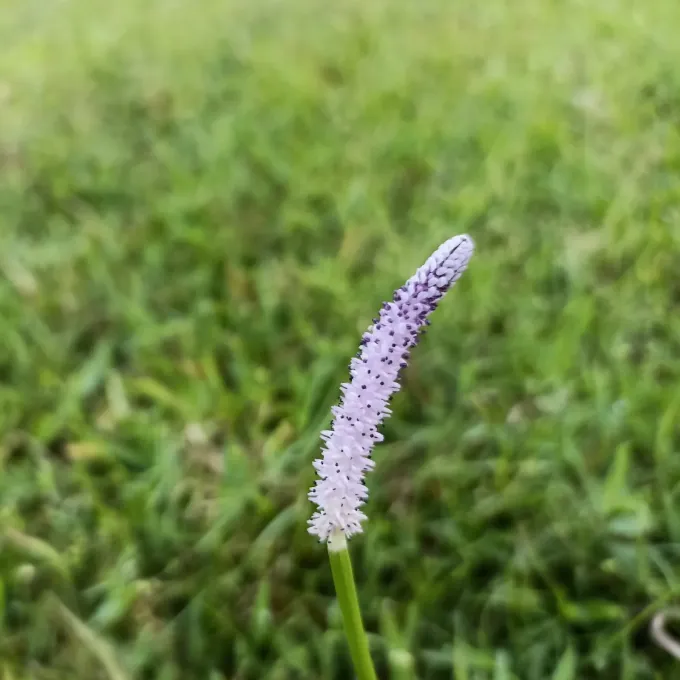
Description
Sowing dates
Propagation of Aponogeton natans is primarily achieved through seed sowing or careful division of the rhizome during the plant's active growth phase.
Seeds are best sown in shallow water trays containing a nutrient-rich, silty substrate which provides the necessary mineral foundation for initial germination.
Vegetative propagation involves separating healthy sections of the tuber, ensuring each segment has a viable growth point to facilitate rapid development.
The optimal temperature for seed germination ranges between 24 and 26 degrees Celsius, requiring a stable aquatic environment to avoid stress.
Once seedlings have reached the two-leaf stage, they can be transplanted into larger, permanent containers or natural ponds with controlled water chemistry.
Growing requirements
Aponogeton natans belongs to the Aponogetonaceae family and is a tropical aquatic plant that thrives in warm, stable water conditions typical of its natural range.
The plant requires soft to medium-hard water with a slightly acidic to neutral pH, which is critical for optimal nutrient uptake through the roots.
High light intensity is preferred, but the light must be diffused to prevent the delicate floating leaves from suffering damage or premature senescence.
A nutrient-rich substrate is essential for robust growth; a mix of fine sand and organic detritus supports the complex root system of the plant.
Consistent temperature maintenance between 22 and 28 degrees Celsius is vital, as fluctuations can lead to dormancy or the total collapse of the plant.
Yield
The economic value of Aponogeton natans is concentrated in the ornamental aquarium and water garden market, where it is highly sought after for its elegance.
Effective biomass production relies on maintaining a balanced aquatic ecosystem, providing sufficient minerals, and ensuring regular pruning of aged leaves.
Rapid vegetative growth allows for commercial production cycles that can yield multiple marketable specimens within a single warm-season period.
The plant serves an important ecological role in the water, contributing to nutrient cycling and providing shelter for small aquatic organisms in its native habitat.
Maximizing yield involves careful monitoring of the water quality and substrate health to ensure that the plant continues to produce new leaves throughout the season.
Main diseases and pests
Primary threats to Aponogeton natans include rhizome rot, which often occurs due to substrate compaction or excessive levels of dissolved organic matter.
Algal blooms represent a significant challenge, as they compete for light and space, ultimately suppressing the growth of the aquatic plant.
Pests such as aquatic aphids or small snails may occasionally damage the floating foliage, necessitating biological or manual control measures.
Nutrient imbalances, particularly a deficiency in iron or manganese, can manifest as leaf chlorosis, weakening the plant's structural integrity.
- Rhizome decay caused by low oxygen levels.
- Fungal infections in water with poor circulation.
- Competition from invasive filamentous algae.
Harvesting
Harvesting involves the careful extraction of the rhizome from the substrate after the plant has reached its maturity phase and enters a stable state.
Cleanliness during harvest is critical; rhizomes should be washed to remove debris and inspected for any signs of decay before storage or shipping.
Grading the tubers by size and health status allows for better inventory management and higher customer satisfaction in commercial trade.
Post-harvest storage requires a cool, humid environment with adequate airflow to ensure the tuber remains viable without dehydrating or succumbing to mold.
Proper handling techniques must be strictly followed, as any damage to the tuber's surface can lead to infection upon re-planting in the new aquarium or pond.